Sodium Metabisulfite (also known as Sodium Metabisulphite) is a white, crystalline powder that is commonly used as a food preservative. In the food industry, it is used to preserve dried fruits, wine, and beer by preventing the growth of harmful bacteria and yeast. It is also used to bleach fruit and vegetables to improve their appearance.
Sodium metabisulfite is a strong reducing agent and releases Sulfur Dioxide gas when dissolved in water. This gas can cause respiratory irritation in some people, so it is important to use caution when handling the substance. Additionally, some individuals may be sensitive to Sulfites and may experience allergic reactions when consuming foods or beverages that contain them.
Potato starch is a type of starch that is derived from potatoes and is used as a thickener, stabilizer, and binder in a variety of food and non-food products. It is a white, tasteless, and odorless powder.
Potato starch is commonly used in food products such as soups, sauces, and baked goods to improve texture and increase viscosity. It is also used as a coating for fried foods to improve crispiness and in gluten-free baking as a substitute for wheat flour. In non-food products, potato starch is used in the production of paper, textiles, and adhesives.
แซคคาริน ถูกสังเคราะห์ขึ้นมาครั้งแรกในสมัยปลายศตวรรษที่ 19 และถูกนำไปใช้อย่างแพร่หลายมานับตั้งแต่นั้น เช่นเดียวกับสารให้ความหวานแทนน้ำตาลประเภทสังเคราะห์ชนิดอื่นๆ ผู้ผลิตและผู้บริโภคควรใช้แซคคารินในปริมาณที่ FDA กำหนดเพื่อความปลอดภัยต่อสุขภาพ
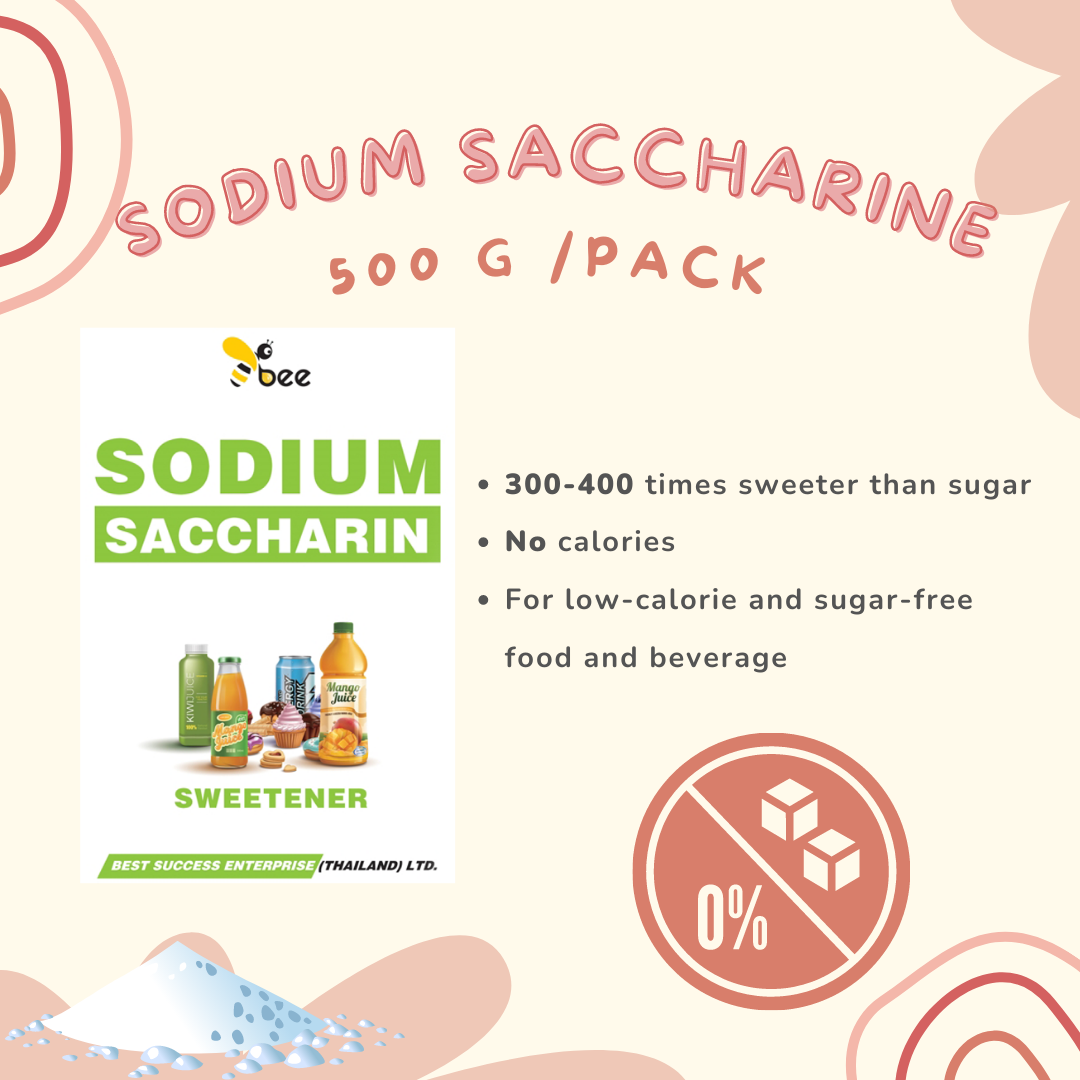
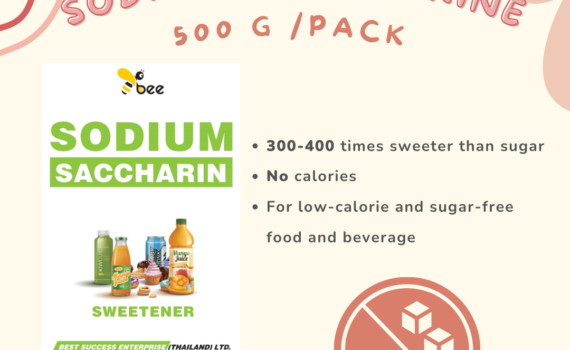
Sodium saccharin is an artificial sweetener that is about 300-400 times sweeter than sugar. It is a non-nutritive sweetener, meaning that it provides no calories or nutritional value, and is often used as a sugar substitute in low-calorie and sugar-free food and beverage products. It was first discovered in the late 19th century and has been widely used as a sweetener for over a century.
Like other artificial sweeteners, sodium saccharin is considered safe for consumption by the FDA and other regulatory agencies. Many experts believe that the levels of saccharin typically consumed by humans are safe.
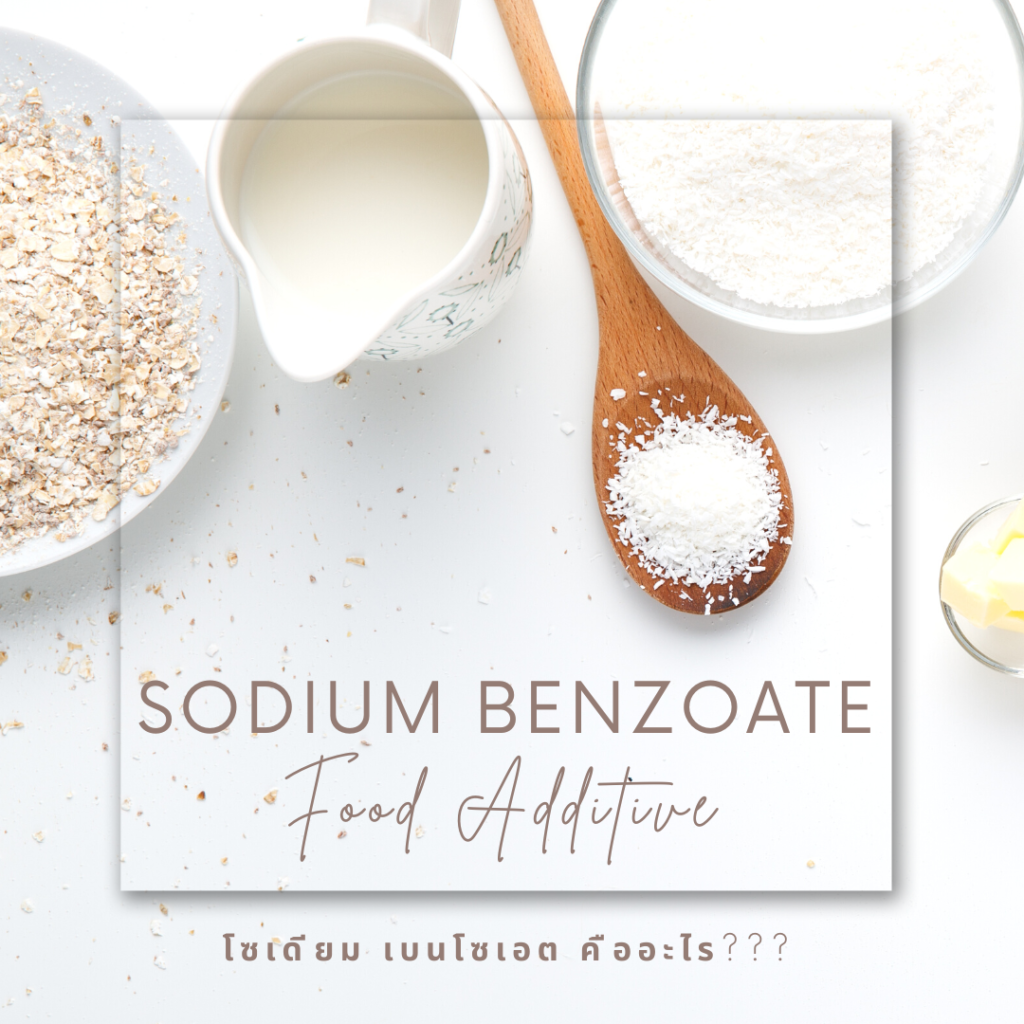
Sodium benzoate is a food preservative used to extend the shelf life of various food and beverage products by preventing the growth of mold, yeast, and bacteria. It is a white crystalline powder that is soluble in water and is usually used in combination with other preservatives. Sodium Benzoate is a salt of benzoic acid and is commonly used in acidic foods such as soda, pickles, and fruit juice concentrates. It has been approved for use by regulatory agencies such as the FDA, but some studies suggest that it may have potential health effects when consumed in high amounts.
Sweeteners are substances added to food and drinks to increase their sweetness. They can be natural or artificial, and can include sugar, honey, syrup, aspartame, saccharin, and stevia, among others. Some sweeteners are calorie-free, while others have calories. The choice of sweetener depends on individual taste, intended use, and dietary restrictions. Artificial sweeteners are commonly used as sugar substitutes for people with diabetes or as a low-calorie alternative for those watching their weight. However, some studies have suggested that some artificial sweeteners may have adverse effects on health and more research is needed to fully understand their impact.