The History of Rubber – มนุษย์เริ่มใช้ยางกันตั้งแต่เมื่อไร

Tags :

Category : Rubber & IA

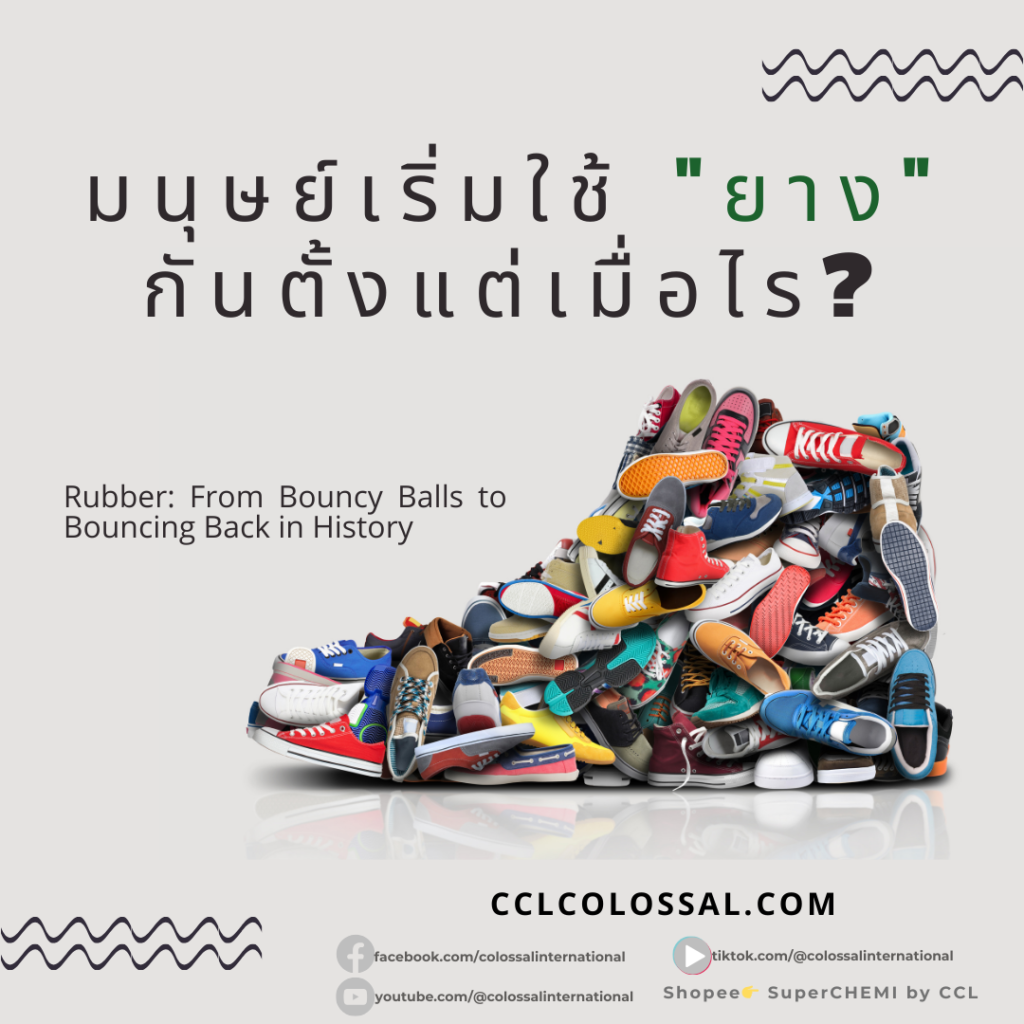
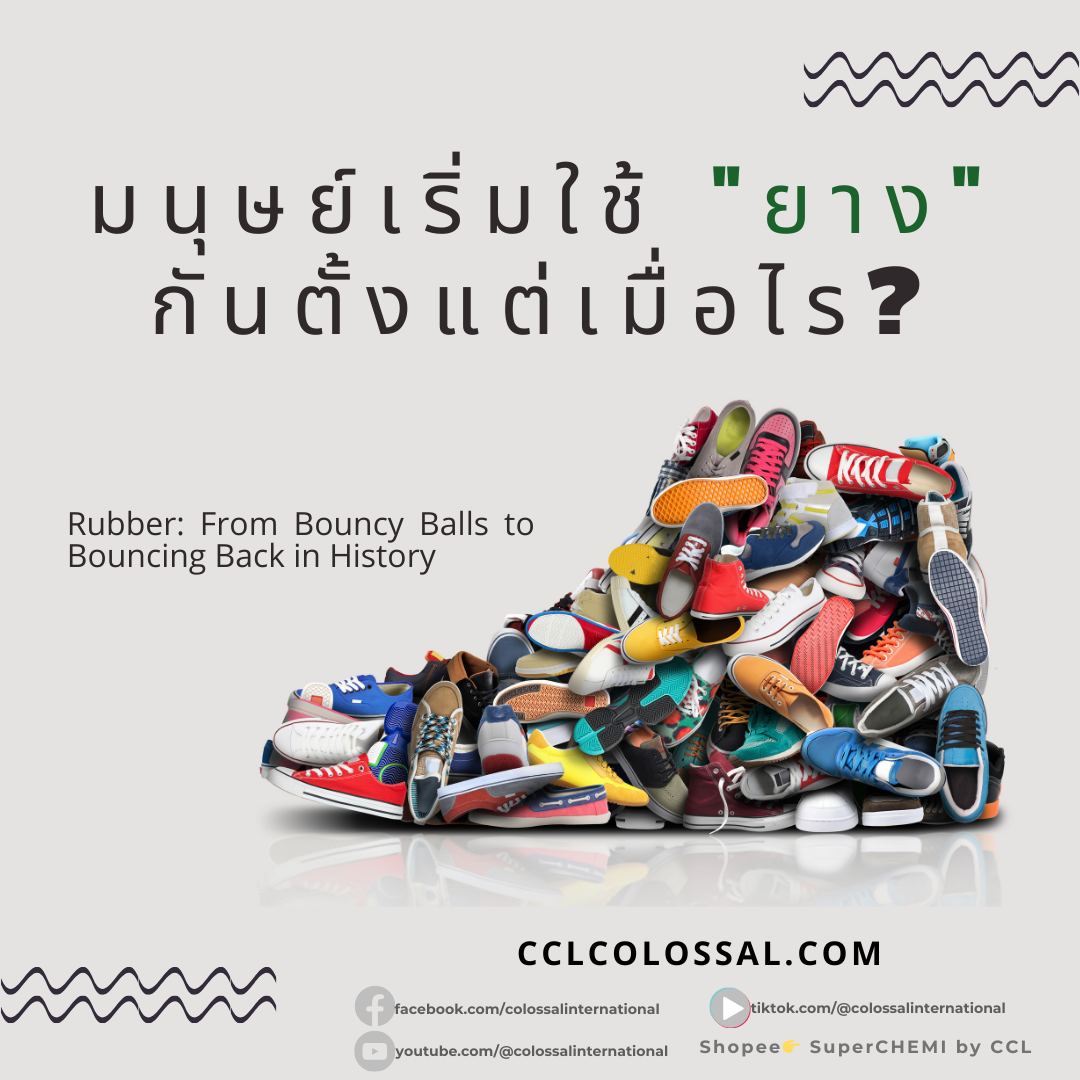
มนุษย์เริ่มใช้ "ยาง" กันตั้งแต่เมื่อไร?

มนุษย์เริ่มใช้ “ยาง” กันตั้งแต่เมื่อไร???

**ต้นกำเนิดเมื่อครั้งโบราณ (1600 ปีก่อนคริสตกาล):**

Olmec ที่แปลว่า “ชาวยาง” แห่ง Mesoamerica (ประเทศเม็กซิโกในปัจจุบัน) เป็นมนุษย์กลุ่มแรกที่ถูกบันทึกไว้ว่าได้ริเริ่มปั้นน้ำยางจากต้นยางพารา เพื่อใช้เป็นลูกบอลสำหรับพิธีกรรมตั้งแต่ 1600 ปีก่อนคริสตกาล
ต่อมา ชาวมายันและแอซเท็กได้ใช้วิธีเดียวกัน โดยใช้ยางสำหรับทำลูกบอล เสื้อผ้ากันน้ำ และหลอดฉีดยา

**ชาวยุโรป (ศตวรรษที่ 15-19):**

คริสโตเฟอร์ โคลัมบัส พบยางครั้งแรกในปี 1493 แต่จนกระทั่งศตวรรษที่ 18 จึงมีการนำยางกลับยุโรป และเริ่มนำไปใช้เฉพาะกลุ่ม

**ยางกับการพัฒนาคุณสมบัติการยึดเกาะ (1839):**

Charles Goodyear ค้นพบว่าการเติมกำมะถันลงในยางทำให้ยางทนความร้อนและเหนียวน้อยลง ถือเป็นจุดเปลี่ยนในการนำยางมาพัฒนาใช้ต่อได้อย่างหลากหลาย
ในปัจจุบัน ยางสามารถทนต่อฝน แดด และการสึกหรอได้ ปูทางให้มีการใช้อย่างแพร่หลาย

**ความเจริญของอุตสาหกรรมยาง (ศตวรรษที่ 19-20):**

ด้วยเทคโนโลยีการคงรูปยาง (Vulcanization) ยางรถยนต์ สายยาง เข็มขัด เสื้อกันฝน และสิ่งประดิษฐ์อื่นๆ นับไม่ถ้วนได้พัฒนาขึ้นอย่างต่อเนื่อง เป็นการปฏิวัติการขนส่ง อุตสาหกรรม และชีวิตประจำวันของมนุษย์
ป่าแอมะซอนกลายเป็นแหล่งยางพาราที่สำคัญ ซึ่งนำไปสู่ยุคของการการตัดไม้ทำลายป่าอย่างร้ายแรง

**เหนือกว่ายางธรรมชาติ (ศตวรรษที่ 20 – ปัจจุบัน):**

สงครามโลกครั้งที่ 2 ทำให้อุตสาหกรรมยางธรรมชาติหยุดชะงัก ก่อให้เกิดการแข่งขันสำหรับอุตสาหกรรมยางสังเคราะห์ นักวิทยาศาสตร์ได้สร้างสรรค์ผลิตภัณฑ์หลายประเภท เช่น buna-S และนีโอพรีน ซึ่งช่วยลดการพึ่งพาทรัพยากรยางธรรมชาติ
ปัจจุบัน ยางยังคงเป็นวัสดุสำคัญ ตั้งแต่ถุงมือทางการแพทย์ไปจนถึงชุดอวกาศ ซึ่งพิสูจน์ให้เห็นถึงความอเนกประสงค์และมรดกที่สืบทอดมายาวนาน
 

The Origin of Resin – เรซิ่นแท้จริงแล้วมาจากไหน

Tags :

Category : Rubber & IA

เรซิ่น แท้จริงแล้วมาจากไหน?

เคยสงสัยไหมว่าสิ่งที่เหนียวๆบนต้นไม้มาจากไหน?
 
เรซินธรรมชาติ เป็นสารที่เป็นกลไกในการป้องกันการบาดเจ็บ โรค และแมลง ช่วยปิดบาดแผล ป้องกันการสูญเสียน้ำของต้นไม้ เช่น Pine resin, amber, copal, mastic, frankincense, myrrh
 
เรซินธรรมชาติประกอบด้วยสารประกอบอินทรีย์ที่ซ้บซ้อน รวมถึงเทอร์พีน ฟีนอล และแอลกอฮอล์ เมื่อหลายล้านปีก่อน เรซิ่นบางชนิดถูกกักขังภายใต้ความกดดันและความร้อน และกลายเป็นอำพัน เป็นสมบัติฟอสซิลที่สวยงามซึ่งกุมความลับของสิ่งมีชีวิตโบราณไว้
 
ในขณะที่เรซินสังเคราะห์ถูกสร้างขึ้นโดยมนุษย์ผ่านปฏิกิริยาทางเคมีจากสารตั้งต้นต่างๆ เช่น ปิโตรเลียม ถ่านหิน ก๊าซธรรมชาติ หรือแม้แต่น้ำมันจากพืช
 
ตัวอย่างเช่น อีพอกซีเรซิน เรซินโพลีเอสเตอร์ เรซินโพลียูรีเทน เรซินอะคริลิก เรซินฟีนอล
 
เมื่อหลายล้านปีก่อน เรซิ่นบางชนิดถูกกักขังภายใต้ความกดดันและความร้อน และกลายเป็นอำพัน เป็นสมบัติฟอสซิลที่สวยงามซึ่งกุมความลับของสิ่งมีชีวิตโบราณไว้
 
นอกจากนี้ เรซิ่นยังอยู่ในสารเคลือบเงา กาว หรือแม้แต่หมากฝรั่ง
ดังนั้น เรซิ่นเป็นมากกว่าสารเหนียว มันคือสิ่งมหัศจรรย์ทางธรรมชาติที่มีการใช้ประโยชน์นับล้าน
 

China Clay (ดินขาว)

Tags :

Category : Rubber & IA


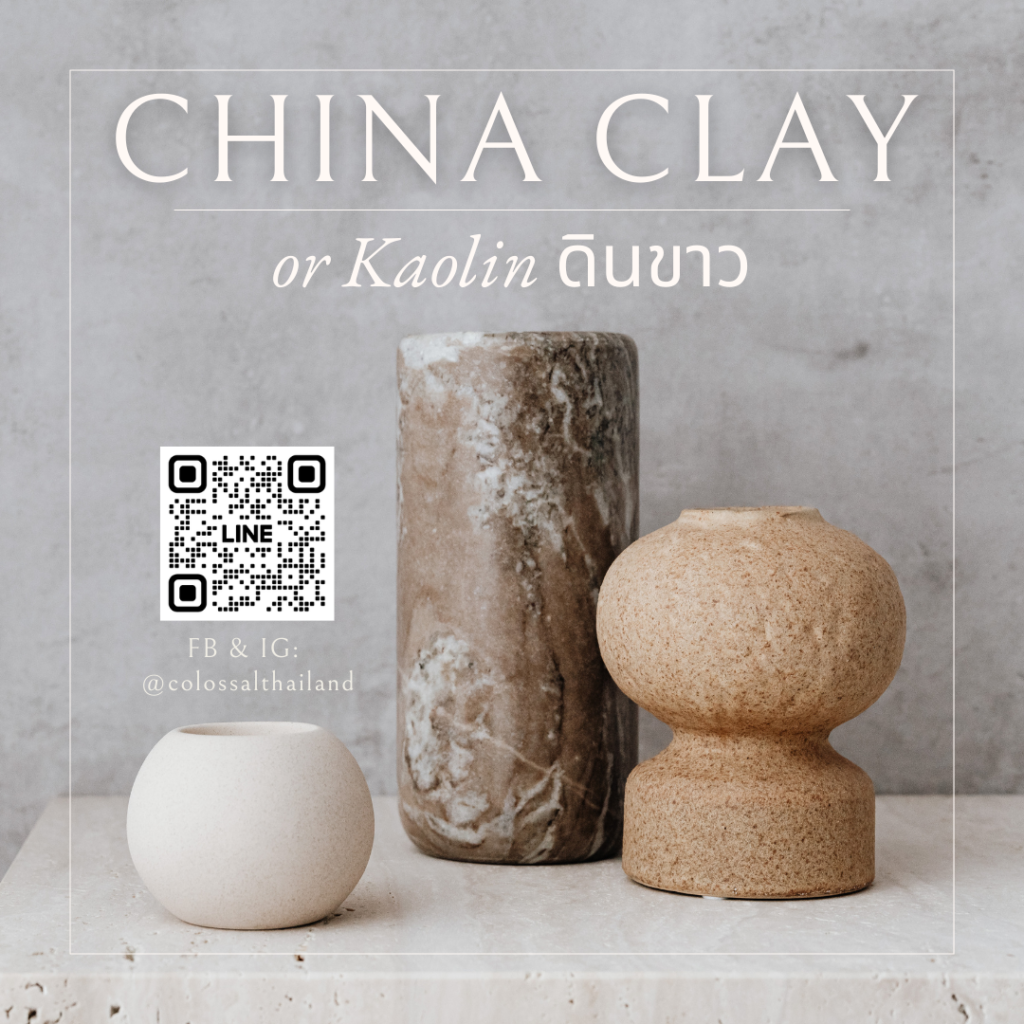
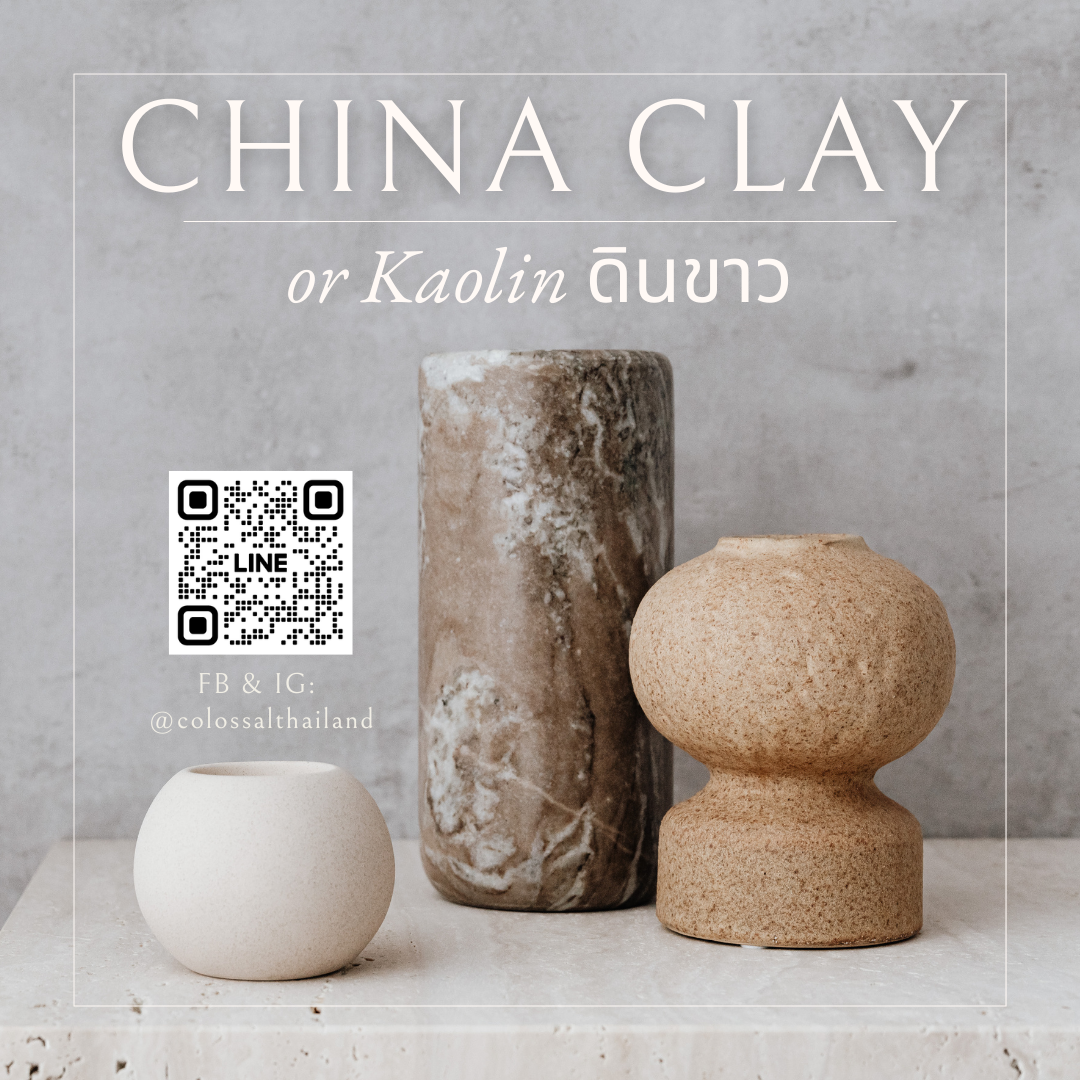
China Clay (ดินขาว)

Rubber & IA

China Clay หรือที่รู้จักกันในชื่อ Kaolin เป็นดินเหนียวสีขาวประเภทหนึ่งที่ประกอบด้วยแร่คาโอไลนาที่เรียกว่าคาโอลินิท เป็นชื่อตามภูมิภาคในประเทศจีนที่มีชื่อว่าเค่า-หลิ่ง ซึ่งเป็นตำแหน่งแรกที่ค้นพบแร่ชนิดนี้ ดินขาวมีการใช้งานอย่างกว้างขวางในอุตสาหกรรมต่าง ๆ เนื่องจากคุณสมบัติพิเศษ
 
ตัวอย่างคุณสมบัติและการใช้งานของดินขาว:
 
1. ส่วนประกอบ: แร่คาโอไลนิทที่เรียกว่าคาโอลินิต ซึ่งเป็นไฮดรัสอลูมิเนียมซิลิเกต และอาจประกอบด้วยแร่อื่น ๆ เช่นควอตซ์ แฟลด์สปาร์ และไมกา
2. ลักษณะภายนอก: มีโครงสร้างละเอียด นุ่ม และเนียน เมื่อถูกทำให้บริสุทธิ์แล้วจะมีสีขาว แต่อาจพบสีเทา เหลือง หรือชมพู ขึ้นอยู่กับสิ่งเจือปนที่อาจพบได้
3. ความสามารถในการดูดซับ: ดินขาวมีคุณสมบัติดูดซับที่ดีมาก ซึ่งทำให้มีประโยชน์ในอุตสาหกรรมการผลิตกระดาษ เนื่องจากมักถูกใช้เป็นวัสดุเติมหรือเคลือบเพื่อเพิ่มความสว่าง ความเรียบ และความสามารถในการดูดซับหมึกพิมพ์
4. เซรามิกและเครื่องปั้นดินเผา: เป็นองค์ประกอบหลักในการผลิตเซรามิกและเครื่องปั้นดินเผา ด้วยคุณสมบัติที่มีค่าความหดตัวต่ำ สามารถคงตัวได้ดี และมีสีขาว สามารถปั้นหรือเติมแต่งสีผลิตภัณฑ์เป็นรูปแบบต่างๆได้ง่าย เช่น จาน กระเบื้อง และเครื่องสุขภัณฑ์
5. สีและเม็ดสี: เนื่องจากผลึกที่เล็กและมีความสว่าง สามารถสะท้อนแสงได้ดี ดินขาวเป็นที่นิยมในการผลิตสี สารเคลือบ และเม็ดสี โดยใช้เป็นสารเติมแต่งเพื่อปรับปรุงความทึบแสง ความคงทน และเนื้อสัมผัสของสี อีกทั้งยังสามารถช่วยยืดอายุและเพิ่มการกระจายตัวของสีอีกด้วย
6. ยางและพลาสติก: นำไปใช้เป็นสารเติมแต่งของสูตรยางและการสร้างรูปของพลาสติก โดยช่วยพัฒนาคุณสมบัติทางกายภาพ ความแข็งตัว และความคงรูปของผลิตภัณฑ์
7. เครื่องสำอางค์: ใช้ในการผลิตสกินแคร์ต่างๆ เช่น มากส์หน้า แป้ง และครีมบำรุงผิว โดยมีความโดดเด่นเรื่องคุณสมบัติดูดซับสารต่างๆได้ดี และช่วยผลัดเซลล์ผิวอย่างอ่อนโยน ช่วยให้ผิวมีความสะอาดมากยิ่งขึ้น
8. อุตสาหกรรมอื่นๆ: เช่น การใช้ในกระบวนการผลิตยางล้อรถ ใช้เป็นตัวเร่งปฏิกิริยา สารกำจัดแมลง กาว และผลิตภัณฑ์ที่เกี่ยวกับการก่อสร้างต่างๆ เป็นต้น
 
China Clay, also known as Kaolin, is a type of soft white clay that is primarily composed of the mineral Kaolinite. It is named after the region in China, Kao-Ling, where it was originally discovered. It is extensively used in various industries due to its unique properties.
 
Here are some key characteristics and uses of China Clay:
 
1. Composition: It primarily consists of the mineral kaolinite, which is a Hydrous Aluminum Silicate. It may also contain other minerals such as Quartz, Feldspar, and Mica.
2. Appearance: It has a fine, soft, and smooth texture. In its purest form, it is white, but it can also be found in shades of gray, yellow, or pink, depending on the impurities present.
3. Absorbency: It has excellent absorbent properties, which make it useful in industries such as papermaking. It is often used as a filler or coating material to enhance the brightness, smoothness, and ink receptivity of paper.
4. Ceramics and Pottery: It is a fundamental component in the production of ceramics and pottery. Its low shrinkage, high plasticity, and white color make it ideal for forming and shaping objects such as dishes, tiles, and sanitaryware. It also helps improve the strength and whiteness of the final products.
5. Paint and Pigments: Due to its fine particle size and light-reflecting properties, it is widely used in the manufacturing of paints, coatings, and pigments. It acts as an extender, improving the opacity, durability, and texture of the paint. It also enhances the color retention and dispersion of pigments.
6. Rubber and Plastics: It is incorporated into rubber and plastic formulations as a reinforcing filler. It improves the mechanical properties, stiffness, and dimensional stability of these materials.
7. Cosmetics: In the cosmetics industry, it is utilized in the production of skincare products, such as facial masks, powders, and creams. It is valued for its absorbent and gentle exfoliating properties, helping to cleanse and purify the skin.
8. Other Applications: It has diverse applications, including in the production of rubber tires, catalyst supports, insecticides, adhesives, and various construction materials.
 
#ChinaClay #Kaolin #Clay #ดินขาว #ColossalInternational #chemistry #วัตถุดิบคุณภาพ

Antioxidant for Rubber (Wingstay L)

Tags :

Category : Rubber & IA


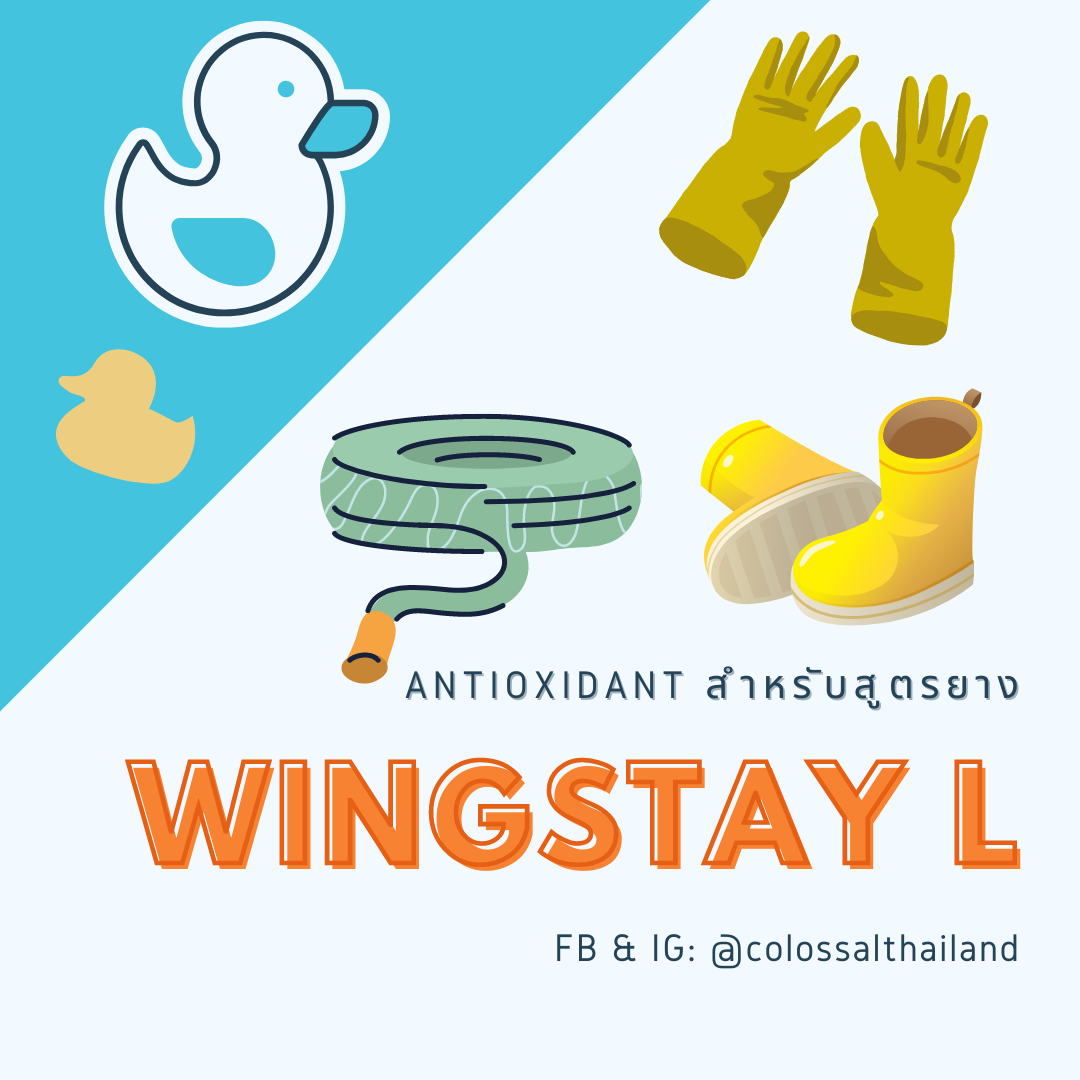
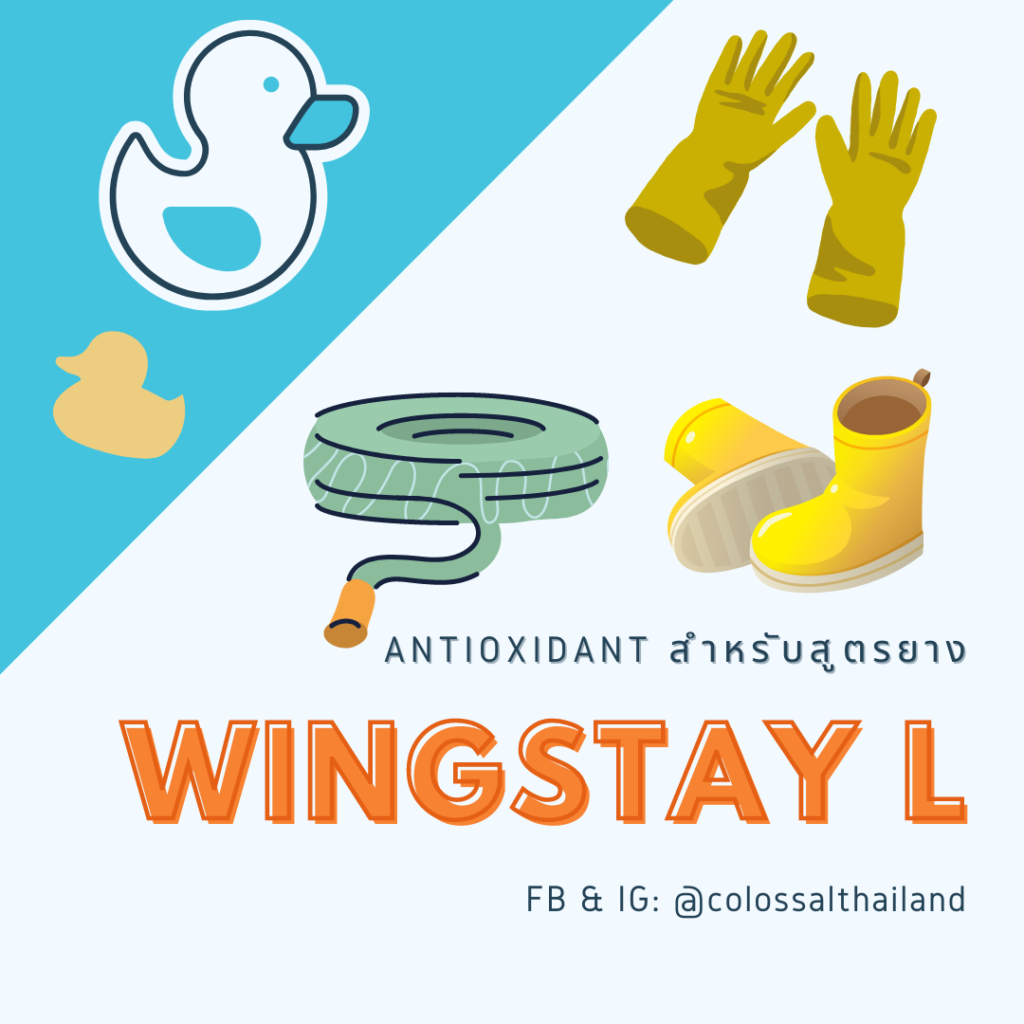
Antioxidant for Rubber - Wingstay L

Rubber & IA

Antioxidant ในสูตรยางหมายถึงการเพิ่มสารเคมีบางชนิดเข้าไปในสูตรยางเพื่อยืดอายุของยาง และลดความเสี่ยงที่จะเกิดปฏิกิริยา Oxidation ซึ่งโดยธรรมชาติแล้วผลิตภัณฑ์จากยางจะถูก oxidize ได้ง่ายเมื่อสัมผัสกับออกซิเจนและความร้อนซึ่งนำไปสู่การเสื่อมสภาพของยาง เช่น เกิดรอยแตก หัก และเสียสภาพความยืดหยุ่น การเพิ่ม Antioxidant จะช่วยลบล้างฤทธิ์สารอนุมูลอิสระที่เกิดจากปฏิกิริยา Oxidation ซึ่งกระบวนการนี้เองที่จะช่วยยืดอายุของยางและเพิ่มประสิทธิภาพของสินค้าได้อีกด้วย

การเลือกใช้ Antioxidant ในสูตรยางนั้นขึ้นอยู่กับปัจจัยหลายประการ เช่น ประเภทของยาง กระบวนการและเงื่อนไขเฉพาะของยางแต่ละชนิด รวมถึงคุณสมบัติในการทนความร้อนและออกซิเจนของผลิตภัณฑ์ยางนั้นๆ

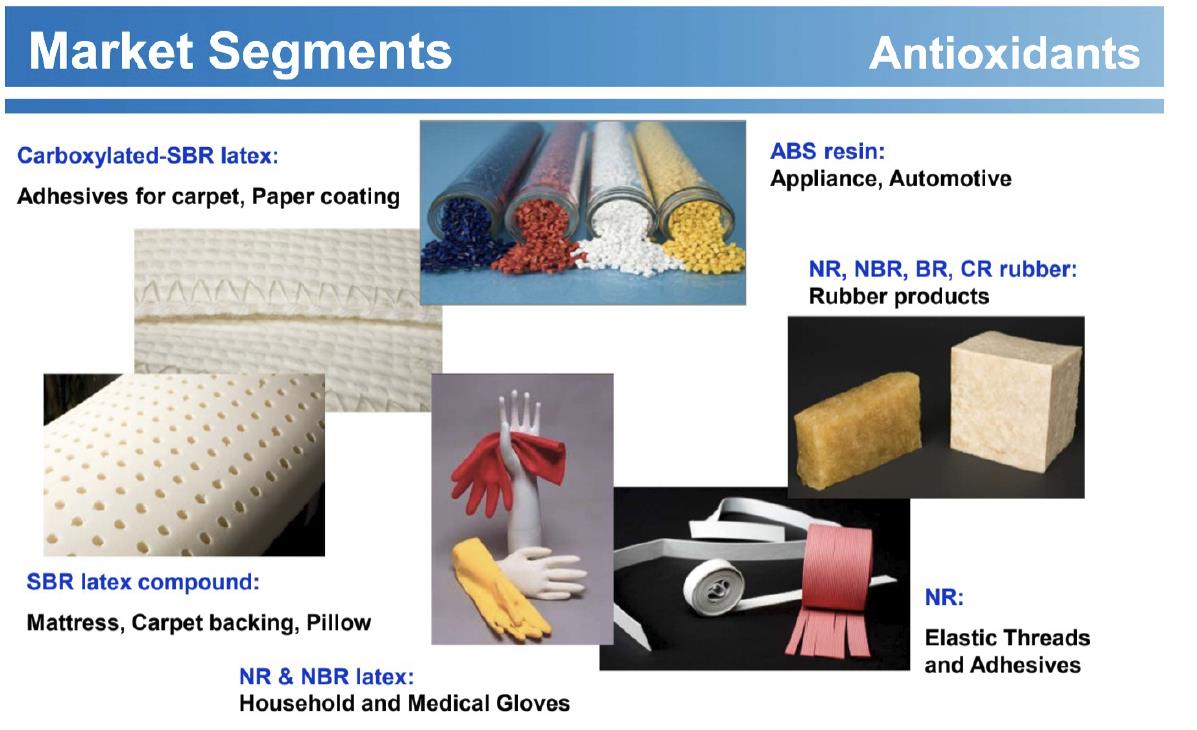
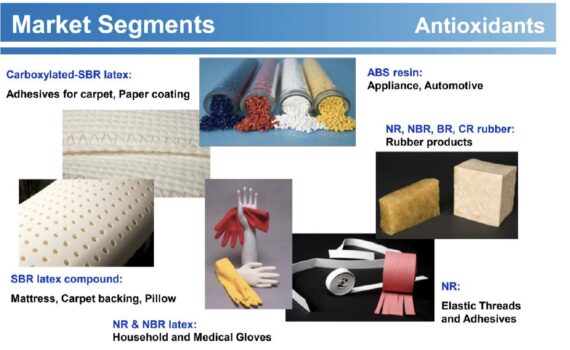
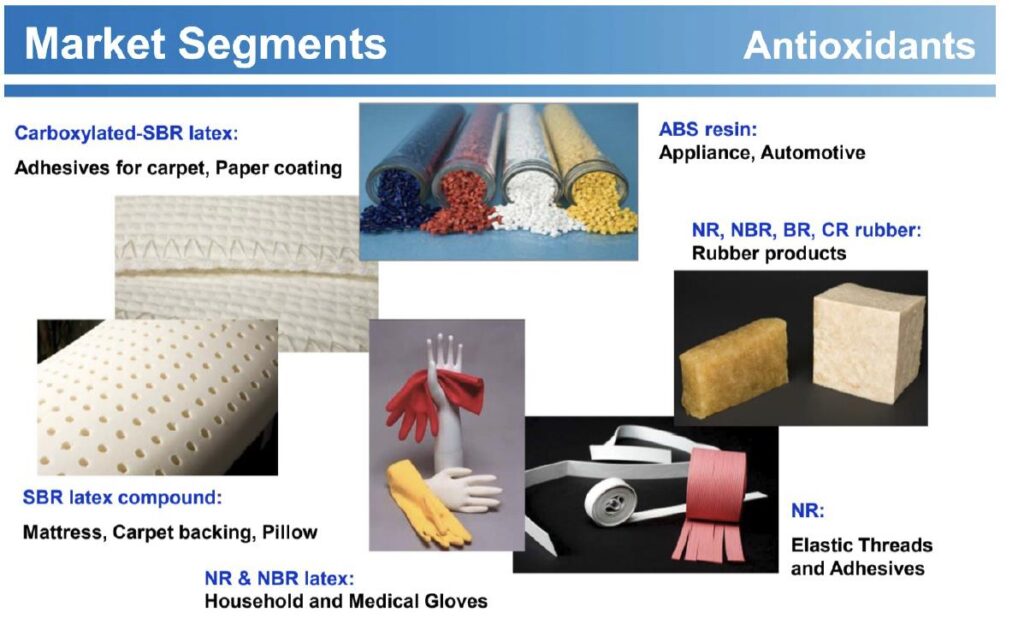
Wingstay L เป็น Antioxidant สำหรับสูตรยางประเภทหนึ่ง ซึ่งใช้ในปริมาณที่ประหยัดกว่าประเภทอื่นๆมากกว่าครึ่ง เนื่องจาก Wingstay L ไม่ทำให้เนื้อยางเปลี่ยนสี และไม่ทำให้ยางเปลี่ยนสภาพ ซึ่งทั้งหมดนับเป็นคุณสมบัติที่ช่วยให้ผู้ผลิตประหยัดงบประมาณในการผลิตสินค้าประเภทยางได้มาก โดยเฉพาะอย่างยิ่งกับอุตสาหกรรมยางที่ใช้ยางธรรมชาติและมาจากพอลิเมอร์ เช่น ABS, NBR, NR และ XSBR เป็นต้น

In the context of rubber, an antioxidant is a chemical compound that is added to rubber formulations to prevent or slow down the degradation of rubber due to oxidation. Rubber products, when exposed to oxygen and heat over time, can undergo oxidation, leading to various forms of degradation such as cracking, hardness increase, and loss of elasticity.

Antioxidants in rubber formulations help inhibit or delay this oxidation process by reacting with and neutralizing the free radicals that are generated during oxidation. By doing so, antioxidants can extend the lifespan and improve the performance of rubber products.

The selection of the antioxidant depends on factors such as the type of rubber, processing conditions, anticipated exposure to heat and oxygen, and other performance requirements.


#Rubber #Antioxidant #WingstayL #ยาง #สูตรยาง #ColossalInternational #chemistry


Cellulose Acetate Butyrate (CAB)


Cellulose Acetate Butyrate (CAB)

Paints & Graphic Arts, Plastics, Rubber

Cellulose Acetate Butyrate (CAB) เป็นพอลิเมอร์เทอร์โมพลาสติกชนิดหนึ่งที่เป็นอนุพันธ์ของเซลลูโลสซึ่งเป็นวัตถุดิบธรรมชาติที่พบในผนังเซลล์ของพืช CAB เป็นเซลลูโลสเอสเตอร์ซึ่งเกิดจากการปรับโครงสร้างเซลลูโลสด้วยกรดอะซีติกและกรดกรดบิวทิริก คุณสมบัติที่เป็นเอกลักษณ์ของ CAB เช่น ความโปร่งใส ความทนทานต่อแรงกระแทก และการป้องกันการเปลี่ยนเป็นสีเหลืองของพื้นผิววัสดุ

CAB ใช้งานอย่างแพร่หลายในการเคลือบและสร้างฟิล์มเนื่องจากความโปร่งใสและคุณสมบัติให้ความเงาสูง นอกจากนี้ยังใช้ในอุตสาหกรรมที่ต้องการความแข็งแรง ความยืดหยุ่น และความทนทาน เช่น ชิ้นส่วนในยานยนต์ สินค้าบริโภค และวัสดุบรรจุภัณฑ์ต่างๆ CAB มีคุณสมบัติการยึดเกาะที่ดี ทำให้เหมาะสำหรับใช้เป็นสารเคลือบบนพื้นผิวต่าง ๆ เช่น เหล็ก พลาสติก และแก้ว

เนื่องจากมีความยืดหยุ่นสูง สามารถขึ้นรูปได้ดี CAB จึงเป็นที่นิยมนำไปใช้ในอุตสาหกรรมพลาสติก ไม่ว่าจะด้วยวิธีการฉีดขึ้นรูป หรือการเป่าขึ้นรูป นอกจากนี้ยังมีความสามารถในการละลายในสารละลายต่างๆหลายชนิด ทำให้ผู้ผลิตสามารถใช้งานได้หลากหลายตามสูตรหรือคุณสมบัติที่ต้องการในผลิตภัณฑ์ต่างๆได้อย่างง่ายดาย

นอกจากคุณสมบัติทางกายภาพทั่วๆไปแล้ว CAB ยังมีความสามารถต้านทานทางเคมีที่ดี ซึ่งทำให้เหมาะสำหรับใช้ในสภาวะแวดล้อมที่เป็นกรดหรือเป็นด่างสูง หรือสภาวะที่ต้องระมัดระวังต่อแสงและรังสี UV เนื่องจากมีคุณสมบัติทนทานต่อความร้อนสูง

Cellulose Acetate Butyrate (CAB) is a thermoplastic polymer that is a derivative of cellulose, a natural polymer found in plant cell walls. It is a type of cellulose ester, which is formed by modifying cellulose with acetic acid and butyric acid. It is commonly used in various applications due to its unique properties, such as its excellent clarity, good impact resistance, and high resistance to yellowing.

CAB is often used in coatings and films due to its transparency and high gloss. It is also used in applications where toughness, flexibility, and durability are required, such as in automotive parts, consumer goods, and packaging materials. It is known for its good adhesion properties, making it suitable for use as a coating on a wide range of substrates, including metal, plastic, and glass.

One of the main advantages of CAB is its ability to be easily molded and shaped using conventional plastic processing techniques, such as injection molding, extrusion, and blow molding. CAB can also be dissolved in a wide range of solvents, allowing for easy formulation of coatings and films with desired properties.

In addition to its physical properties, CAB is also known for its chemical resistance, which makes it suitable for use in harsh environments where exposure to chemicals or UV radiation is a concern. CAB is also relatively stable at elevated temperatures, making it suitable for high-temperature applications.


#CelluloseAcetateButyrate #CAB #Plastic #ColossalInternational #chemistry #EASTMAN


การใช้งานและประโยชน์ของ Titanium Dioxide

การใช้งานและประโยชน์ของ Titanium Dioxide

Paint & Plastics & Rubber

Titanium Dioxide เป็นสารประกอบอินออร์กานิกที่ใช้งานกันอย่างแพร่หลาย มีความสำคัญในการผลิตสี, สารเคลือบ, พลาสติก และเครื่องสำอาง เนื่องจากมีคุณสมบัติที่ดีเยี่ยม เช่น ให้สีขาวสด, ดัชนีการสะท้อนแสงสูง และมีความสามารถในการดูดซับแสง UV ได้ดี

คุณสมบัติของ Titanium Dioxide คือ ความสามารถในการสร้างความหนาแน่นและความคมชัดในการเปลี่ยนสี โดยใช้ปริมาณต่ำ และสามารถใช้งานได้ในการผลิตสี, เครื่องเคลือบ และพลาสติก ที่ต้องการสีสันสดใสและคงทน

อีกคุณสมบัติหนึ่งของ Titanium Dioxide คือความสามารถในการดูดซับแสง UV ทำให้เหมาะสำหรับใช้ในการผลิตผลิตภัณฑ์ดูแลสุขภาพ และผลิตภัณฑ์กันแดด ช่วยปกป้องผิวหนังจากการเสื่อมสภาพของรังสีแสง UV ที่มีอันตรายต่อสุขภาพ

Titanium dioxide is a widely used inorganic compound that is valued for its brilliant white color, high refractive index, and excellent UV absorbing properties. It is used in a variety of applications such as pigments, coatings, plastics, and cosmetics.

One of the key benefits of using titanium dioxide is its ability to provide excellent opacity and coverage, even at low concentrations. This makes it an ideal choice for use in paints and coatings, as well as in plastics and other materials where a bright, consistent color is desired.

Another advantage of titanium dioxide is its ability to absorb UV radiation, which makes it a popular choice for use in sunscreens and other personal care products. In these applications, it helps to protect the skin from the harmful effects of the sun’s rays.
#colossalinternational #Additive #Printing #ColossalInternational #Colossal #coating #graphicart #paint #TitaniumDioxide #tio2


กระบวนการผลิต Titanium Dioxide

กระบวนการผลิต Titanium Dioxide

Paint & Plastics & Rubber

Titanium Dioxide (TiO2; ไทเทเนียม ไดออกไซด์) เป็น ออกไซด์ของแร่ไทเทเนียมธรรมชาติ เป็นที่นิยมใช้ในหลากหลายอุตสาหกรรมเนื่องจากมีคุณสมบัติพิเศษ เช่น ทึบแสง มีค่าดัชนีการหักเหแสงสูง และทนต่อรังสี UV

ไทเทเนียม ไดออกไซด์ มีวิธีการผลิตมาจาก 2 กระบวนการ คือ

1) กระบวนการจากคลอไรด์ (Chloride Process): ในกระบวนการนี้จะใช้ก๊าซคลอรีนและถ่านโค้กมาทำปฏิกิริยากับแร่รูไทล์ (Rutile) และ แร่อิลเมไนต์ (Ilmenite) ในสภาวะที่อุณหภูมิสูงจะทำให้ได้ผลผลิตคือไทเทเนียม เตตระคลอไรด์ (Titanium Tetrachloride; TiCl4) หลังจากนั้นไทเทเนียม เตตระคลอไรด์จะถูกนำไปออกซิไดซ์ (Oxidize) ด้วยก๊าซออกซิเจน ซึ่งจะได้ผลผลิตออกมาเป็นไทเทเนียม ไดออกไซด์บริสุทธิ์

2) กระบวนการจากซัลเฟต (Sulfate Process): ในกระบวนการนี้จะใช้กรดซัลฟิวริกมาทำปฏิกิริยากับแร่อิลเมไนต์เพื่อผลิตสารละลายไทเทเนียม ซัลเฟต หลังจากนั้นสารละลายดังกล่าวจะถูกทำปฏิกิริยา Hydrolysis ซึ่งทำให้ได้ผลผลิตเป็นไทเทเนียม ไดออกไซด์

หลังจากที่ผลิตได้แล้วผู้ผลิตอาจจะนำเข้าสู่กระบวนการอื่นๆเพิ่มเติมเพื่อเพิ่มคุณสมบัติพิเศษขึ้นอยู่กับวัตถุประสงค์การใช้งาน เช่น นำไปเคลือบด้วยสารจำพวกซิลิกาหรืออลูมินา เพื่อเพิ่มความสามารถในการกระจายตัวในของเหลว หรือเพิ่มความทนทานต่อสภาพอากาศเป็นต้น นอกจากนี้อาจจะมีการปรับสภาพพื้นผิวด้วยสารเคมีต่างๆเพื่อปรับคุณสมบัติเพิ่มเติมได้

ด้วยคุณสมบัติค่าดัชนีการหักเหแสงสูง ไทเทเนียม ไดออกไซด์จึงเป็นที่นิยมใช้เป็น pigment สีขาว ในหลายอุตสาหกรรม เช่น อุตสาหกรรมสี วัสดุพื้นผิวที่ต้องการการปกป้อง พลาสติก กระดาษ และเครื่องสำอางค์ โดยมีความทนต่อแสง UV ซึ่งนำไปใช้ในครีมกันแดดได้อีกด้วย

Titanium Dioxide (TiO2) is a naturally occurring oxide of Titanium that is commonly used in various industries due to its unique properties, such as high refractive index, high opacity, and UV resistance.

There are two main methods for producing Titanium Dioxide:

1. Chloride Process: In this process, high-quality rutile or ilmenite ores are treated with chlorine gas and coke at high temperatures to produce Titanium Tetrachloride (TiCl4). The TiCl4 is then oxidized with oxygen to produce pure TiO2.

2. Sulfate Process: In this process, ilmenite ores are digested with Sulfuric acid to produce a Titanium Sulfate solution. The solution is then hydrolyzed to precipitate TiO2.

After production, TiO2 can be further processed to improve its properties for specific applications. For example, it can be coated with materials such as silica or alumina to improve its dispersibility in liquids or to enhance its resistance to weathering. It can also be surface-treated with various chemicals to modify its surface properties.

TiO2 is commonly used in a wide range of applications, including paint, coatings, plastics, paper, and cosmetics. Its high refractive index makes it a popular choice for white pigments, and its UV resistance makes it useful for sunscreens and other protective coatings.

#colossalinternational #Additive #Printing #ColossalInternational #Colossal #coating #graphicart #paint #TitaniumDioxide #tio2


Optical brighteners (ผงกัดขาว)

Tags :

Category : Plastics Rubber & IA


Optical Brighteners (ผงกัดขาว)

Plastics & Rubber

Optical brighteners (ผงกัดขาว) เป็นสารเคมีสังเคราะห์ ใช้สำหรับเพิ่มความขาวและความสว่างในสินค้าต่างๆ เช่น อุตสาหกรรมสิ่งทอ สินค้าประเภทกระดาษ และ สินค้าใช้ส่วนตัว โดยผงกัดขาวจะทำหน้าที่ดูดซับแสง UV และปล่อยสะท้อนออกมาแต่ย่านแสงสเปคตรัมสีฟ้า ซึ่งทำให้มองเห็นพื้นผิววัตถุนั้นๆดูมีความสว่างและขาวขึ้น

ผงกัดขาวมักใช้เป็นส่วนผสมในผงซักฟอก น้ำยาปรับผ้านุ่ม และผลิตภัณฑ์ซักล้างอื่นๆ เพื่อทำให้ผ้ามีความขาว สว่างขึ้น นอกจากนี้ยังใช้ในการผลิตกระดาษ เช่น กระดาษเขียนทั่วๆไป และลังหรือกล่องกระดาษอีกด้วย

Optical brighteners are synthetic chemicals that are added to various consumer goods, including textiles, paper products, and personal care products, to enhance their brightness and whiteness. They work by absorbing ultraviolet (UV) light and re-emitting it in the blue region of the visible spectrum, giving the product a brighter and whiter appearance.

Optical brighteners are commonly used in laundry detergents, fabric softeners, and other laundry-related products to brighten and whiten clothing. They are also used in paper products, such as copy paper and cardboard, to make them appear brighter and whiter.

#ผงกัดขาว #OpticalBrightener #chemistry #colossalinternational #colossal_thailand


ทำไมต้องใส่ Anti-Oxidant ในสูตรยาง?

Category : Rubber & IA


ทำไมต้องใส่ Anti-Oxidant ในสูตรยาง?

Rubber & IA

Anti-oxidant เป็นสารเคมีที่เติมลงไปเพื่อช่วยป้องกันการเสื่อมสภาพของยาง อันเนื่องมาจากปัจจัยต่างๆ เช่น ออกซิเจน, ความร้อน และแสงแดด เป็นต้น มักนิยมใส่ในงานยางสีที่เน้นสีสันสวยงาม แต่ไม่นิยมใส่ในยางสีดา ทั้งนี้ Anti-oxidants ยังช่วยป้องกันการเกิดสีตกและสีปนกันในยาง ซึ่งสามารถใส่ได้ทั้งในยางก้อน และน้ำยาง (ถุงมือ,ลูกโป่ง) ได้อีกด้วย

ปฏิกิริยาออกซิเดชัน (Oxidation Reaction) เกิดจาก

  • Photo-Oxidation
  • Thermal-Oxidation

ผลที่ได้จากปฏิกิริยาออกซิเดชัน

  • MW changed (scission and/or recombination)
  • Change rheological properties
  • Change of apperance
  • Discoloration
  • Loss of mechanical properties (Abrasion, Flexability, Toughness, Tensile, adhesion, etc.)

Wingstay L (Supplier Wingstay L)

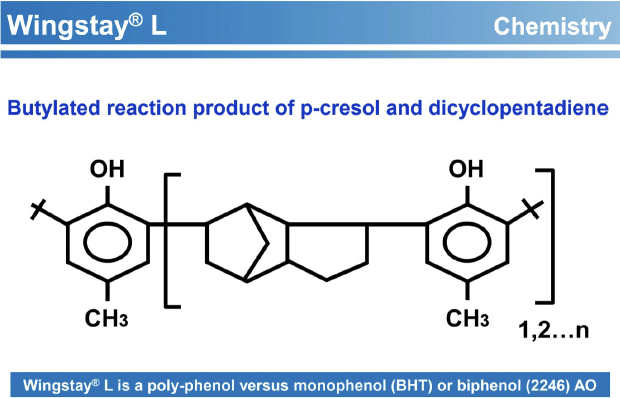
การใส่ Anti-Oxidant  ในสูตรยาง ที่ Dosage ประมาณ 0.5-0.7 phr เนื่องจากโครงสร้าง Wingstay L เป็นแบบ Polyphenol สามารถลด ปริมาณการใช้ลงมาครึ่งนึงจาก Antioxidant ที่เป็นโครงสร้างแบบ Monophenol ที่เจอในตลาดได้

Benefits of Wingstay L

  • High activity
  • Very low volatility, high persistance
  • Non pinking, non yellowing
  • Property resistance to water, detergents leaching superior performance, and cost ratio