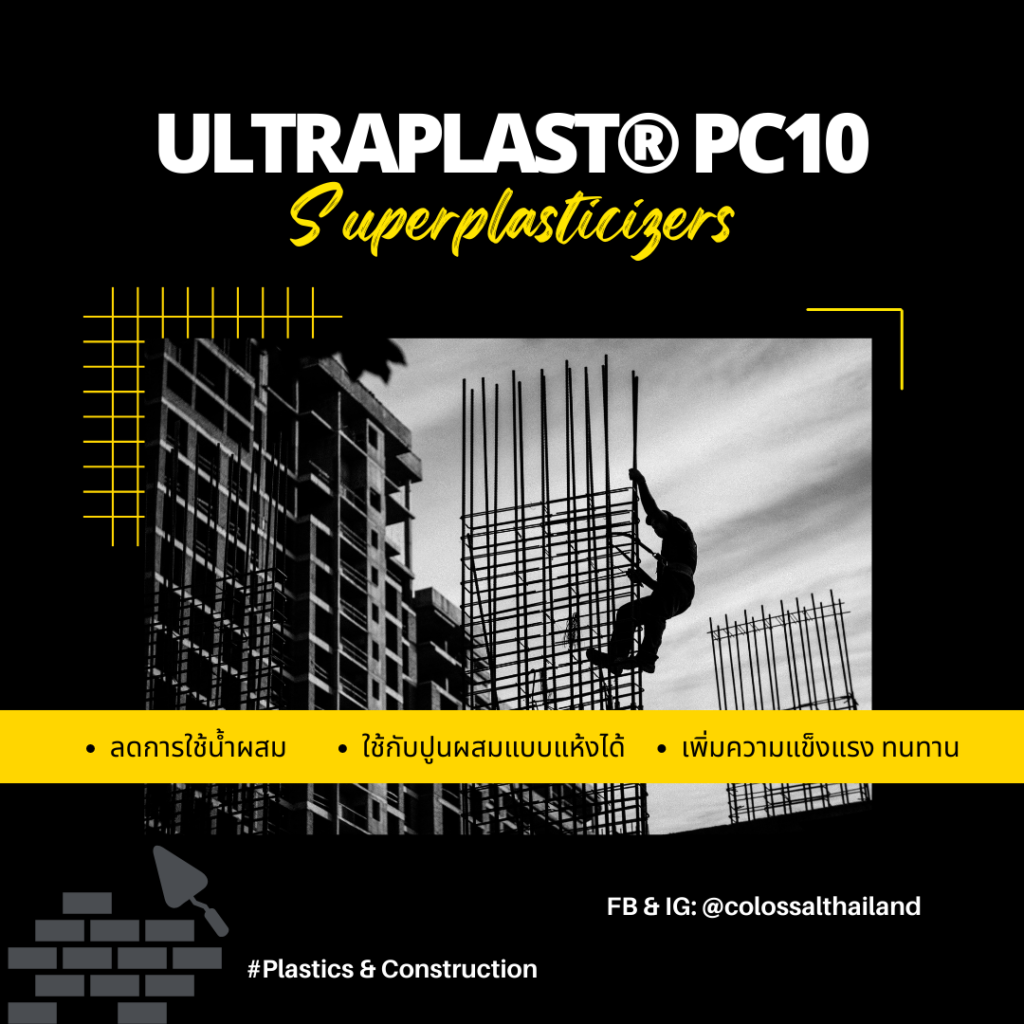
Superplasticizers (ซุปเปอร์พลาสติไซเซอร์)

Tags :

Category : Plastics


Superplasticizers (ซุปเปอร์พลาสติไซเซอร์)

Plastics & Constructions

Superplasticizers (ซุปเปอร์พลาสติไซเซอร์) เป็นสารผสมทางเคมีที่ใช้ในคอนกรีตและวัสดุซีเมนต์เพื่อปรับแต่งเนื้อสารให้มีความหนืดหรือเหลวให้เหมาะสมกับการใช้งานมากยิ่งขึ้น การใช้สารผสมเหล่านี้ในการผสมคอนกรีตมีจุดประสงค์หลักเพื่อลดปริมาณน้ำที่ใช้ผสมแต่ยังคงความความแข็งแรงและคุณสมบัติอื่นๆที่ต้องการ
 
Superplasticizers มีกระบวนการทำงานโดยเข้าไปกระจายอนุภาคปูนและลดแรงดึงดูดระหว่างอนุภาคเหล่านั้น ทำให้อนุภาคสามารถเคลื่อนที่ได้โดยอิสระมากขึ้น และทำให้ง่ายต่อการออกแบบ อัด และขึ้นรูปคอนกรีต อีกทั้งยังลดโอกาสที่จะทำให้วัสดุแตกเสียหายได้อีกด้วย
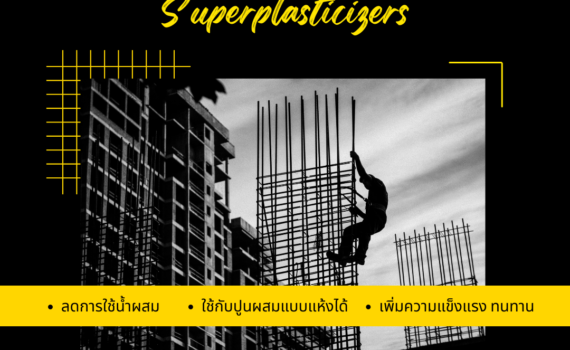
การใช้ Superplasticizers เป็นที่นิยมใช้ในงานก่อสร้างที่ต้องการคอนกรีตที่มีความแข็งแกร่งและมีประสิทธิภาพสูง เช่น การก่อสร้างอาคารสูง สะพาน และโครงสร้างพื้นฐานทั่วไป โดยจะต้องลดปริมาณน้ำในผสมคอนกรีตและใช้ Superplasticizers ซึ่ง Superplasticizers นี้เองจะเข้ามาช่วยเพิ่มความแข็งแรง เพิ่มความทนทานและลดการซึมผ่านของคอนกรีตที่แข็งตัว
 
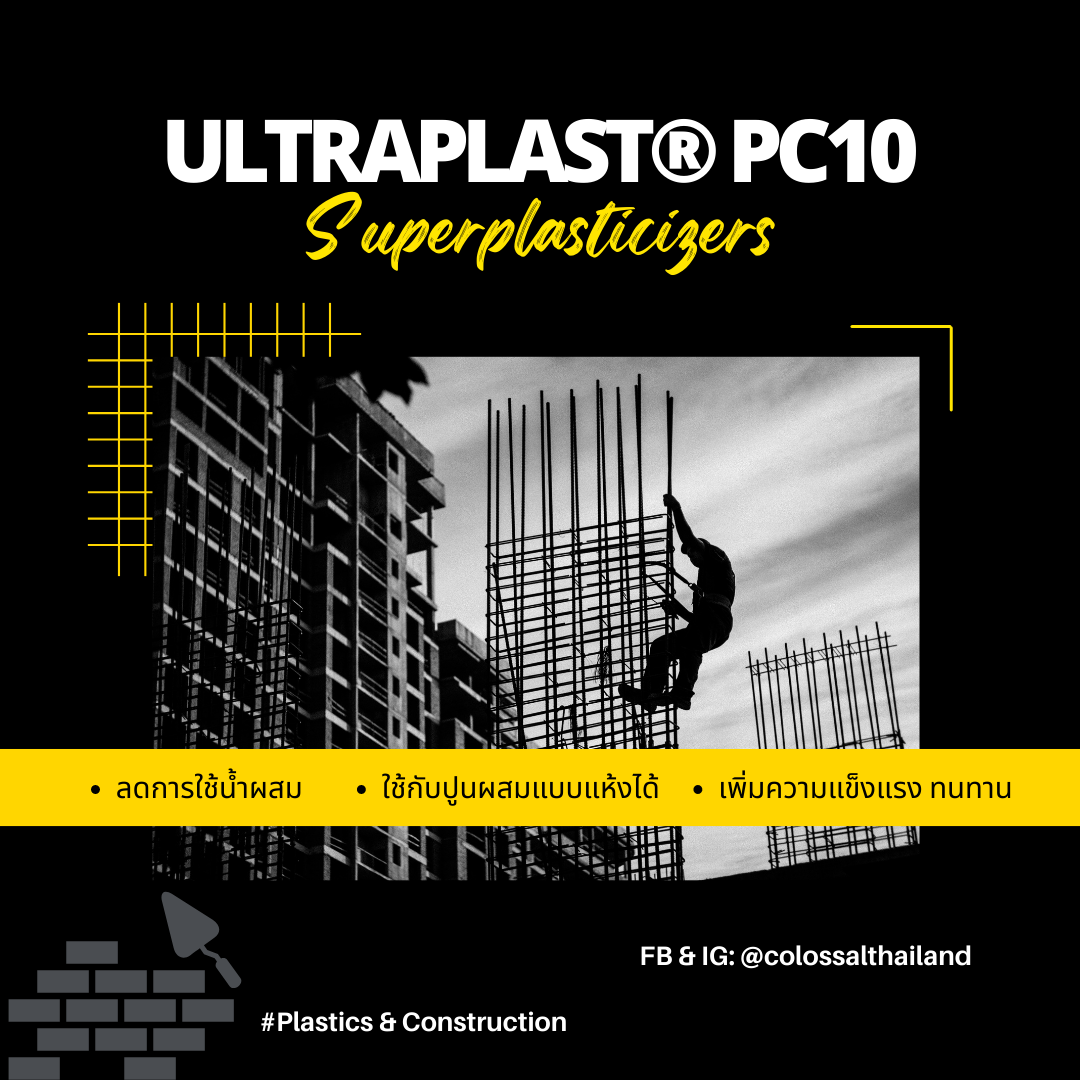
Ultraplast® PC10 คือ Superplasticizers ในรูปแบบผงซึ่งผลิตมาจาก modified polycarboxylate superplasticizer นอกจากจะให้คุณสมบัติที่สามารถช่วยลดการใช้น้ำเป็นส่วนผสมได้ดีแล้ว ยังสามารถผสมเข้ากันได้เป็นอย่างดีกับคอนกรีตหลากหลายชนิด หลากหลายยี่ห้อ อีกทั้งยังมีคุณสมบัติกระจายตัวได้ดีมากและสามารถใช้งานกับปูนหรือซีเมนต์ผสมชนิดแห้งได้อีกด้วย เหมาะเป็นอย่างยิ่งกับงานก่อสร้าง เช่น งานพื้นที่ต้องการความทนทานต่อการสึกหรอ งานพื้นปูนปรับระดับ และยาแนว
 
Superplasticizers, also known as high-range water reducers, are chemical admixtures used in concrete and cementitious materials to improve their workability and flowability. They are typically added to concrete mixes to reduce the amount of water required while maintaining the desired consistency and strength.
 
Superplasticizers work by dispersing cement particles and reducing the attractive forces between them, allowing the particles to move more freely and resulting in improved fluidity. This increased fluidity makes it easier to place and compact the concrete, leading to enhanced workability and reduced segregation and bleeding.
Superplasticizers are commonly used in construction projects where high-strength and high-performance concrete is required, such as in the construction of tall buildings, bridges, and infrastructure projects. By reducing the water content in the concrete mix, superplasticizers contribute to increased strength, improved durability, and reduced permeability of the hardened concrete.
 
A type of high-performance, environmentally friendly product, Ultraplast® PC10 is a powder-form superplasticizer created by spray-drying modified polycarboxylate superplasticizer. In addition to having a high water reduction rate and good adaptation to different cement brands, Ultraplast® PC10 provides good dispersion properties. Ultraplast® PC10 is particularly well suited for dry-mixed mortar, the creation of wear-resistant flooring, self-leveling flooring, and grouting materials because of its exceptional flow ability.
#Superplasticizers #ซุปเปอร์พลาสติไซเซอร์ #Ultraplast #งานปูน #งานก่อสร้าง #คอนกรีต
#ColossalInternational #chemistry #Construction #Concrete #Cement #Flooring

Chlorinated Polyethylene (CPE)

Tags :

Category : Plastics


Chlorinated Polyethylene (CPE)

Plastics

Chlorinated Polyethylene หรือ CPE เป็นวัสดุชนิดหนึ่งที่ผลิตจากการเติมกลุ่มคลอรีนเข้าไปในโครงสร้างของ Polyethylene ซึ่งเป็นโพลิเมอร์เทอร์โมพลาสติกที่ผลิตจาก Ethylene Monomers ซึ่งกระบวนการเติมกลุ่มคลอรีนเข้าไปทำให้มีคุณสมบัติที่ดีขึ้นเมื่อเทียบกับ Polyethylene ปกติ เช่น ทำให้เสริมความคงทนต่อสารเคมีอื่นๆ และทนต่อสภาพอากาศ ซึ่งทำให้เพิ่มอายุการใช้งานของวัสดุนั้นๆมากยิ่งขึ้น อุตสาหกรรมที่มักจะใช้ CPE เป็นส่วนประกอบ เช่น อุตสาหกรรมผลิตยานยนต์ ก่อสร้าง สายไฟฟ้า เป็นต้น นอกจากนี้ CPE ยังใช้เป็นสารเติมเต็มในสูตรการผลิต PVC เพื่อเสริมสร้างความแข็งแรง คงทนได้อีกด้วย

คุณสมบัติที่โดดเด่นของ CPE

1) ความยืดหยุ่น: CPE เป็นวัสดุที่ยืดหยุ่น ทำให้เหมาะสำหรับการใช้งานในอุตสาหกรรมที่ต้องการความยืดหยุ่น เช่น ท่อที่เน้นความยืดหยุ่น ซีล และอื่น ๆ
2) ต้านทานแรงกระแทก: CPE มีความต้านทานต่อแรงกระแทกที่ดี ทำให้เหมาะสำหรับการใช้งานของวัสดุที่อาจเกิดแรงกระแทกหรือแรงดันสูง
3) ความทนทานต่อสภาพอากาศ: CPE มีความทนทานต่อสภาพอากาศ เช่น รังสี UV โอโซน และเงื่อนไขสภาพแวดล้อมที่รุนแรง ทำให้เหมาะสำหรับงานกลางแจ้งที่ต้องทนต่อสภาพอากาศต่างๆ
4) ความต้านทานต่อสารเคมี: CPE มีความต้านทานต่อสารเคมีที่ดี เช่น กรด ด่าง และสารละลายหลายชนิด
5) ทนต่อเปลวไฟ: เหมาะกับการใช้งานในงานที่เกี่ยวกับสายไฟฟ้าต่างๆ
6) ยึดเกาะได้ดี: CPE มีคุณสมบัติการยึดเกาะที่ดีทำให้ใช้งานร่วมกับวัสดุอื่นๆได้อย่างมีประสิทธิภาพ เช่น โพลิเมอร์ชนิดอื่นๆ หรือโลหะ เป็นต้น

Chlorinated polyethylene (CPE) is a type of polymer that is produced by chlorinating polyethylene, which is a thermoplastic polymer made from ethylene monomers. The chlorination process involves introducing chlorine atoms into the polymer structure, resulting in a material with improved properties compared to regular polyethylene.

CPE is known for its excellent resistance to chemicals, weathering, and aging, which makes it suitable for various applications in industries such as automotive, construction, wire and cable, and consumer goods. Some of the key properties of chlorinated polyethylene include:

1) Flexibility: CPE is a flexible material, which allows it to be used in a wide range of applications that require flexibility, such as hoses, gaskets, and seals.


2) Impact resistance: CPE has good impact resistance, making it suitable for applications where the material may experience impacts or high-stress conditions.


3) Weatherability: CPE is resistant to weathering, including UV radiation, ozone, and harsh environmental conditions, making it suitable for outdoor applications.


4) Chemical resistance: CPE exhibits excellent resistance to chemicals, including acids, alkalis, and many solvents, making it suitable for applications where it may come into contact with various chemicals.


5) Flame resistance: CPE has inherent flame-resistant properties, which makes it suitable for applications where flame resistance is required, such as wire and cable insulation.


6) Adhesion: CPE has good adhesion properties, which allows it to be easily bonded to other materials, such as metals or other polymers, using adhesives or other bonding methods.

CPE is commonly used in a wide range of applications, including automotive parts, wire and cable insulation, roofing membranes, pond liners, footwear, and various consumer goods. It is also used as an impact modifier in PVC (polyvinyl chloride) formulations to improve the impact strength and weatherability of PVC products.

#ColossalInternational #colossal_thailand #chemistry #Colossal #CPE #PolyEthylene


การใช้งานและประโยชน์ของ Titanium Dioxide

การใช้งานและประโยชน์ของ Titanium Dioxide

Paint & Plastics & Rubber

Titanium Dioxide เป็นสารประกอบอินออร์กานิกที่ใช้งานกันอย่างแพร่หลาย มีความสำคัญในการผลิตสี, สารเคลือบ, พลาสติก และเครื่องสำอาง เนื่องจากมีคุณสมบัติที่ดีเยี่ยม เช่น ให้สีขาวสด, ดัชนีการสะท้อนแสงสูง และมีความสามารถในการดูดซับแสง UV ได้ดี

คุณสมบัติของ Titanium Dioxide คือ ความสามารถในการสร้างความหนาแน่นและความคมชัดในการเปลี่ยนสี โดยใช้ปริมาณต่ำ และสามารถใช้งานได้ในการผลิตสี, เครื่องเคลือบ และพลาสติก ที่ต้องการสีสันสดใสและคงทน

อีกคุณสมบัติหนึ่งของ Titanium Dioxide คือความสามารถในการดูดซับแสง UV ทำให้เหมาะสำหรับใช้ในการผลิตผลิตภัณฑ์ดูแลสุขภาพ และผลิตภัณฑ์กันแดด ช่วยปกป้องผิวหนังจากการเสื่อมสภาพของรังสีแสง UV ที่มีอันตรายต่อสุขภาพ

Titanium dioxide is a widely used inorganic compound that is valued for its brilliant white color, high refractive index, and excellent UV absorbing properties. It is used in a variety of applications such as pigments, coatings, plastics, and cosmetics.

One of the key benefits of using titanium dioxide is its ability to provide excellent opacity and coverage, even at low concentrations. This makes it an ideal choice for use in paints and coatings, as well as in plastics and other materials where a bright, consistent color is desired.

Another advantage of titanium dioxide is its ability to absorb UV radiation, which makes it a popular choice for use in sunscreens and other personal care products. In these applications, it helps to protect the skin from the harmful effects of the sun’s rays.
#colossalinternational #Additive #Printing #ColossalInternational #Colossal #coating #graphicart #paint #TitaniumDioxide #tio2


กระบวนการผลิต Titanium Dioxide

กระบวนการผลิต Titanium Dioxide

Paint & Plastics & Rubber

Titanium Dioxide (TiO2; ไทเทเนียม ไดออกไซด์) เป็น ออกไซด์ของแร่ไทเทเนียมธรรมชาติ เป็นที่นิยมใช้ในหลากหลายอุตสาหกรรมเนื่องจากมีคุณสมบัติพิเศษ เช่น ทึบแสง มีค่าดัชนีการหักเหแสงสูง และทนต่อรังสี UV

ไทเทเนียม ไดออกไซด์ มีวิธีการผลิตมาจาก 2 กระบวนการ คือ

1) กระบวนการจากคลอไรด์ (Chloride Process): ในกระบวนการนี้จะใช้ก๊าซคลอรีนและถ่านโค้กมาทำปฏิกิริยากับแร่รูไทล์ (Rutile) และ แร่อิลเมไนต์ (Ilmenite) ในสภาวะที่อุณหภูมิสูงจะทำให้ได้ผลผลิตคือไทเทเนียม เตตระคลอไรด์ (Titanium Tetrachloride; TiCl4) หลังจากนั้นไทเทเนียม เตตระคลอไรด์จะถูกนำไปออกซิไดซ์ (Oxidize) ด้วยก๊าซออกซิเจน ซึ่งจะได้ผลผลิตออกมาเป็นไทเทเนียม ไดออกไซด์บริสุทธิ์

2) กระบวนการจากซัลเฟต (Sulfate Process): ในกระบวนการนี้จะใช้กรดซัลฟิวริกมาทำปฏิกิริยากับแร่อิลเมไนต์เพื่อผลิตสารละลายไทเทเนียม ซัลเฟต หลังจากนั้นสารละลายดังกล่าวจะถูกทำปฏิกิริยา Hydrolysis ซึ่งทำให้ได้ผลผลิตเป็นไทเทเนียม ไดออกไซด์

หลังจากที่ผลิตได้แล้วผู้ผลิตอาจจะนำเข้าสู่กระบวนการอื่นๆเพิ่มเติมเพื่อเพิ่มคุณสมบัติพิเศษขึ้นอยู่กับวัตถุประสงค์การใช้งาน เช่น นำไปเคลือบด้วยสารจำพวกซิลิกาหรืออลูมินา เพื่อเพิ่มความสามารถในการกระจายตัวในของเหลว หรือเพิ่มความทนทานต่อสภาพอากาศเป็นต้น นอกจากนี้อาจจะมีการปรับสภาพพื้นผิวด้วยสารเคมีต่างๆเพื่อปรับคุณสมบัติเพิ่มเติมได้

ด้วยคุณสมบัติค่าดัชนีการหักเหแสงสูง ไทเทเนียม ไดออกไซด์จึงเป็นที่นิยมใช้เป็น pigment สีขาว ในหลายอุตสาหกรรม เช่น อุตสาหกรรมสี วัสดุพื้นผิวที่ต้องการการปกป้อง พลาสติก กระดาษ และเครื่องสำอางค์ โดยมีความทนต่อแสง UV ซึ่งนำไปใช้ในครีมกันแดดได้อีกด้วย

Titanium Dioxide (TiO2) is a naturally occurring oxide of Titanium that is commonly used in various industries due to its unique properties, such as high refractive index, high opacity, and UV resistance.

There are two main methods for producing Titanium Dioxide:

1. Chloride Process: In this process, high-quality rutile or ilmenite ores are treated with chlorine gas and coke at high temperatures to produce Titanium Tetrachloride (TiCl4). The TiCl4 is then oxidized with oxygen to produce pure TiO2.

2. Sulfate Process: In this process, ilmenite ores are digested with Sulfuric acid to produce a Titanium Sulfate solution. The solution is then hydrolyzed to precipitate TiO2.

After production, TiO2 can be further processed to improve its properties for specific applications. For example, it can be coated with materials such as silica or alumina to improve its dispersibility in liquids or to enhance its resistance to weathering. It can also be surface-treated with various chemicals to modify its surface properties.

TiO2 is commonly used in a wide range of applications, including paint, coatings, plastics, paper, and cosmetics. Its high refractive index makes it a popular choice for white pigments, and its UV resistance makes it useful for sunscreens and other protective coatings.

#colossalinternational #Additive #Printing #ColossalInternational #Colossal #coating #graphicart #paint #TitaniumDioxide #tio2


Optical brighteners (ผงกัดขาว)

Tags :

Category : Plastics Rubber & IA


Optical Brighteners (ผงกัดขาว)

Plastics & Rubber

Optical brighteners (ผงกัดขาว) เป็นสารเคมีสังเคราะห์ ใช้สำหรับเพิ่มความขาวและความสว่างในสินค้าต่างๆ เช่น อุตสาหกรรมสิ่งทอ สินค้าประเภทกระดาษ และ สินค้าใช้ส่วนตัว โดยผงกัดขาวจะทำหน้าที่ดูดซับแสง UV และปล่อยสะท้อนออกมาแต่ย่านแสงสเปคตรัมสีฟ้า ซึ่งทำให้มองเห็นพื้นผิววัตถุนั้นๆดูมีความสว่างและขาวขึ้น

ผงกัดขาวมักใช้เป็นส่วนผสมในผงซักฟอก น้ำยาปรับผ้านุ่ม และผลิตภัณฑ์ซักล้างอื่นๆ เพื่อทำให้ผ้ามีความขาว สว่างขึ้น นอกจากนี้ยังใช้ในการผลิตกระดาษ เช่น กระดาษเขียนทั่วๆไป และลังหรือกล่องกระดาษอีกด้วย

Optical brighteners are synthetic chemicals that are added to various consumer goods, including textiles, paper products, and personal care products, to enhance their brightness and whiteness. They work by absorbing ultraviolet (UV) light and re-emitting it in the blue region of the visible spectrum, giving the product a brighter and whiter appearance.

Optical brighteners are commonly used in laundry detergents, fabric softeners, and other laundry-related products to brighten and whiten clothing. They are also used in paper products, such as copy paper and cardboard, to make them appear brighter and whiter.

#ผงกัดขาว #OpticalBrightener #chemistry #colossalinternational #colossal_thailand


พลาสติกรีไซเคิล (Plastic Recycle)


พลาสติก รีไซเคิล (Plastic Recycle)

Plastic & Construction

พลาสติกเป็นวัสดุที่เข้ามามีบทบาทในชีวิตประจำวันของเราเป็นอย่างมากและมีแนวโน้มการใช้งานที่เพิ่มมากขึ้นเพราะใช้ทดแทนทรัพยากรธรรมชาติ เช่น ไม้และเหล็กได้เป็นอย่างดี และมีราคาถูก น้ำหนักเบาสามารถผลิตให้มีสมบัติต่างๆ ตามที่ต้องการได้และยังสามารถปรุงแต่งสมบัติได้ง่ายโดยการเติมสารเติมแต่ง (Additives) เช่น Plasticizer, Modifier, Filler, Stabilizer, Inhibitor, Lubricant, Pigment

ด้วยเทคโนโลยีการผลิตที่ก้าวหน้าทำให้พลาสติกได้รับการยอมรับอย่างรวดเร็วและมีปริมาณการใช้งานเพิ่มสูงขึ้นเรื่อยๆ ส่งผลให้เกิดขยะพลาสติกในปริมาณสูงมากขึ้นตามด้วย
ดังนั้นการนำพลาสติกกลับมาใช้ใหม่หรือการ รีไซเคิลจึงได้รับความสนใจเป็นอย่างมากเพราะนอกจากจะช่วยลดปริมาณขยะพลาสติกแล้วยังเป็นการใช้ทรัพยากรอย่างคุ้มค่าอีกด้วย การพัฒนาทางเทคโนโลยีในช่วงหลายปีที่ผ่านมาทำให้การรีไซเคิลพลาสติกมีอยู่ด้วยกันหลายวิธี โดยแบ่งเป็น 4 ประเภทหลัก คือ

1. การรีไซเคิลแบบปฐมภูมิ (Primary Recycling)

เป็นการนำขวดหรือเศษพลาสติกที่เป็นประเภทเดียวกันและไม่มีสิ่งปนเปื้อน ที่เกิดในกระบวนการผลิตหรือขึ้นรูปกลับมาใช้ซ้ำภายในโรงงาน โดยสามารถนำมาใช้ซ้ำทั้งหมดหรือเติมผสมกับเม็ดใหม่ที่อัตราส่วนต่างๆ

2. การรีไซเคิลแบบทุติยภูมิ (Secondary Recycling)

เป็นกระบวนการหลอมขึ้นรูปใหม่ เป็นการนำพลาสติกที่ผ่านการใช้งานแล้วมาทำความสะอาด บด หลอมและขึ้นรูปกลับไปเป็นผลิตภัณฑ์พลาสติกอีกครั้ง

3. การรีไซเคิลแบบตติยภูมิ (Tertiary Recycling)
  • การรีไซเคิลทางเคมี (chemical recycling)
    เป็นกระบวนการที่ทำให้โครงสร้างสายโซ่ของพอลิเมอร์เกิดการขาดหรือแตกออก (Depolymerisation)
  • การรีไซเคิลทางความร้อน (Thermolysis)
    เป็นเทคโนโลยีที่มีประโยชน์และคุ้มค่ากว่าการรีไซเคิลทางเคมีเพราะสามารถจัดการขยะที่เป็นพลาสติกผสมที่มีสิ่งปนเปื้อนอื่นๆ ที่ไม่ใช่พลาสติกได้
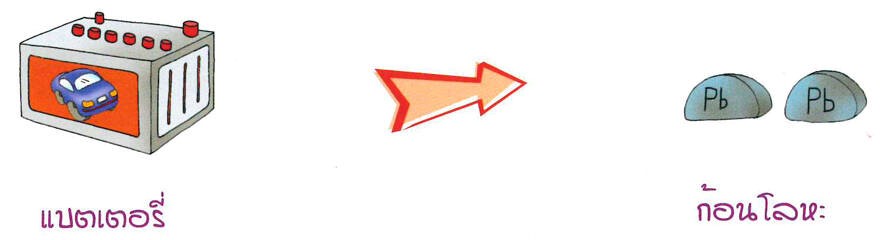
4. การรีไซเคิลแบบจตุภูมิ (Quaternary Recycling)

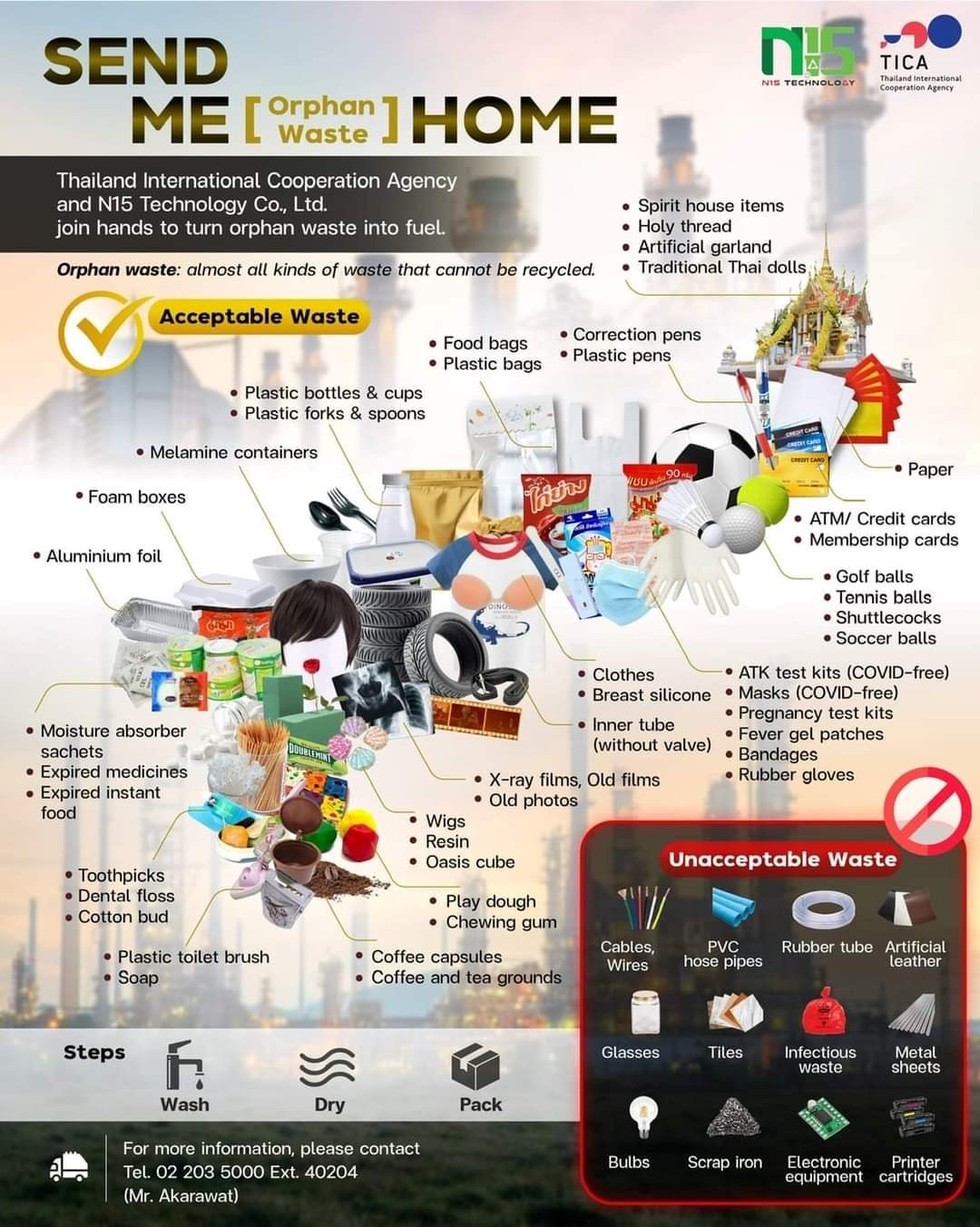
คือการนำพลาสติกมาเผาไหม้เป็นเชื้อเพลิงทดแทน 
แหล่งอ้างอิง
12

Additive ที่สามารถใส่เพิ่มเติมในการ Recycle

White pigment: Titanium Dioxide 

Color Pigment: DCL

Re-stabilization and Modifier additive: BYK