2024 Color Trend for Interior Design (เทรนด์สีแห่งปี 2024)


2024 Color Trend for Interior Design (เทรนด์สีแห่งปี 2024)

Paint & Graphic Arts

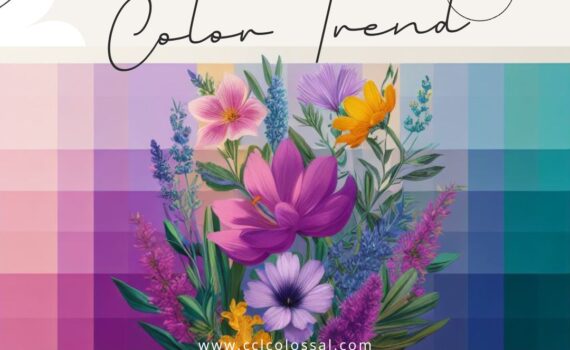
ในขณะที่โลกพัฒนาต่อไป สีต่างๆ ที่เป็นตัวกำหนดภูมิทัศน์การมองเห็นของเราก็เช่นกัน สำหรับปี 2024 โทนสีกำลังเปลี่ยนไปสู่ทิศทางที่โดดเด่น และมีชีวิตชีวามากขึ้น สะท้อนถึงความรู้สึกของการมองโลกในแง่ดี พลังงาน และความหวัง ต่อไปนี้เป็นเทรนด์สีหลักที่ควรจับตามอง:
 
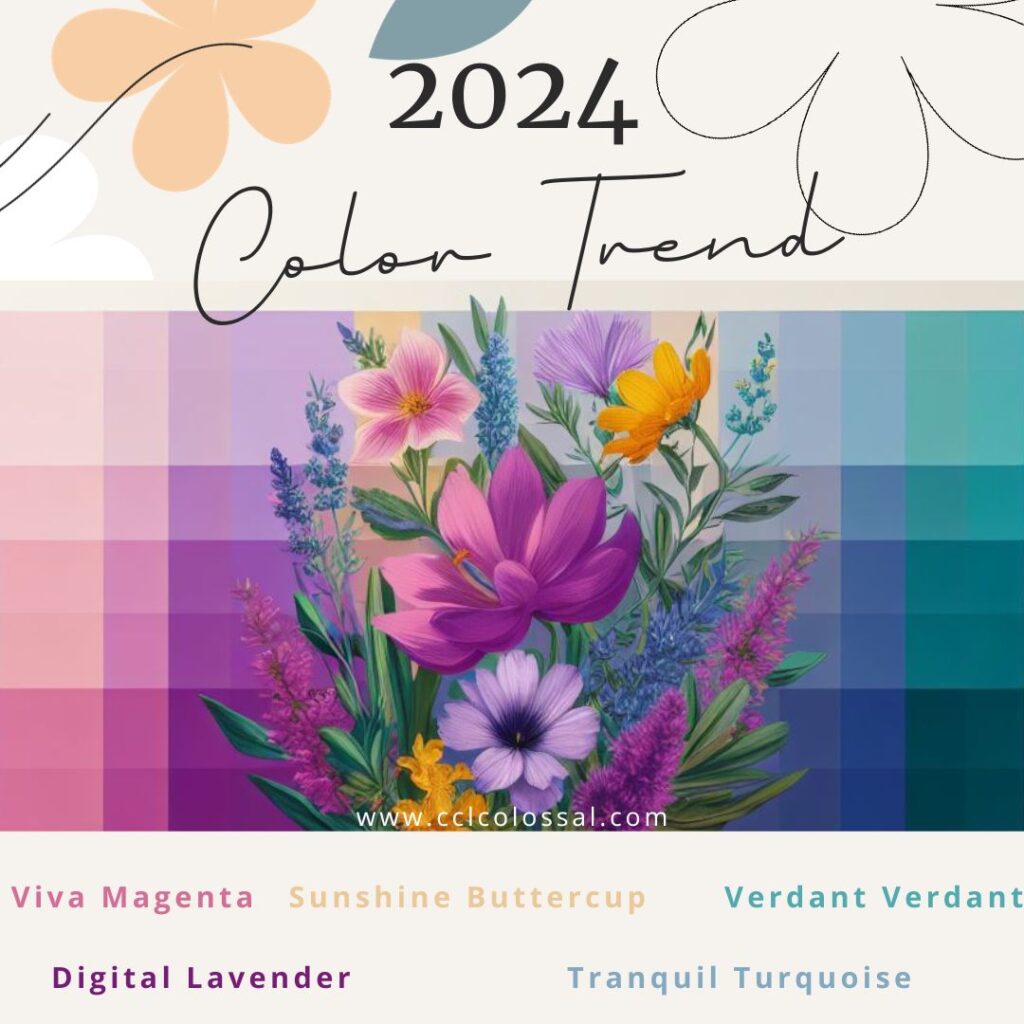
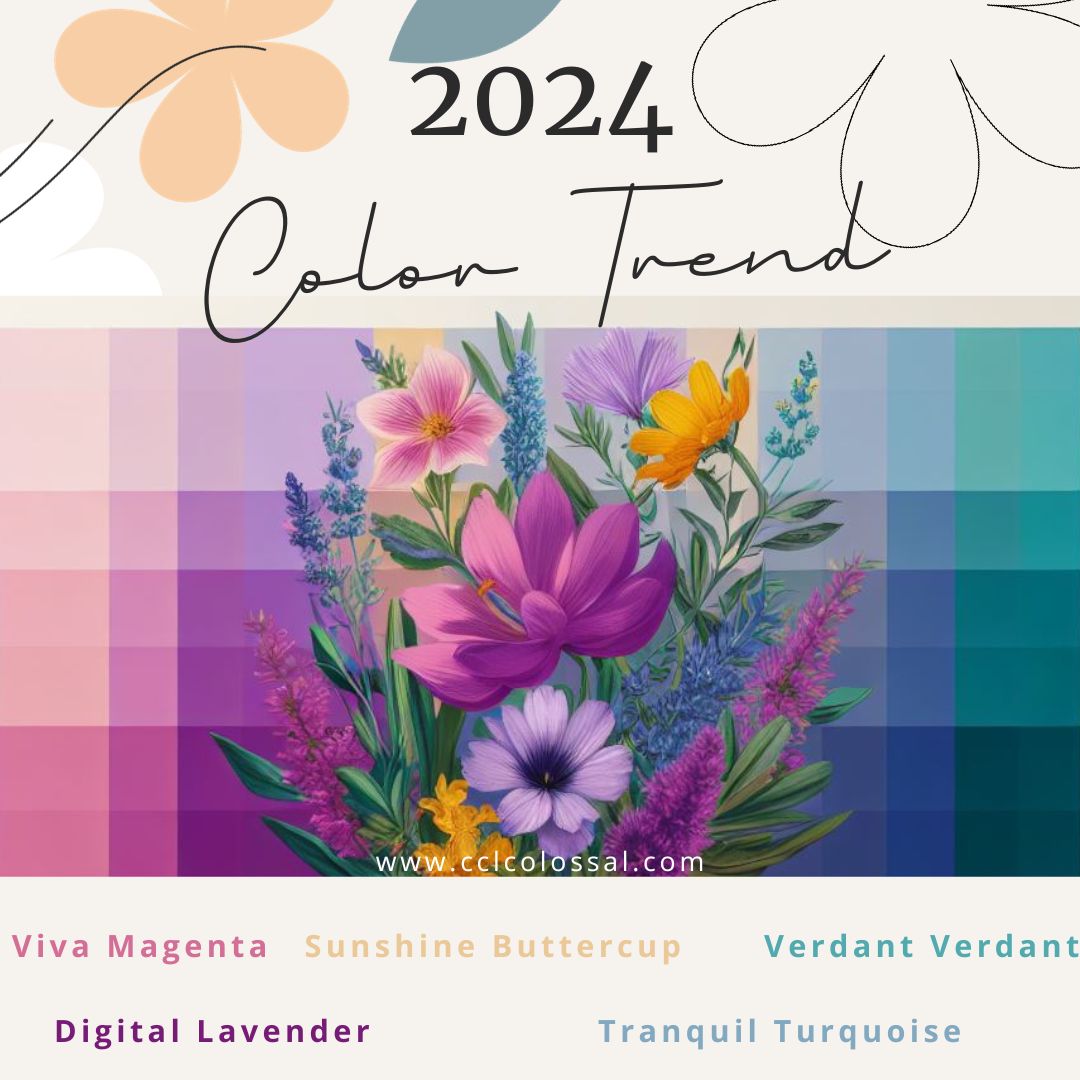
1. Viva Magenta: Pantone ได้ประกาศให้ Viva Magenta ซึ่งเป็นเฉดสีแดงเข้มที่มีชีวิตชีวา เป็นสีแห่งปี 2024 สีที่จัดจ้านและเร้าใจนี้สื่อถึงความสุข ความมีชีวิตชีวา และความรู้สึกของการก้าวข้ามขีดจำกัด
 
2. Digital Lavender: สีม่วงอ่อนและบางเบา ชวนให้นึกถึงความสงบ ความคิดสร้างสรรค์ เป็นสีที่เป็นสัญลักษณ์ของเส้นแบ่งระหว่างโลกทางกายภาพและโลกดิจิทัล
 
3. Tranquil Turquoise: ซึ่งเป็นเฉดสีอันเงียบสงบของสีน้ำเงิน-เขียว แสดงถึงความสมดุล ความกลมกลืน และการเชื่อมโยงกับธรรมชาติ เป็นสีที่ส่งเสริมความรู้สึกสงบและความเป็นอยู่ที่ดี
 
4. Verdant Verdant: สีเขียวเข้มเอิร์ธโทน เป็นสัญลักษณ์ของการเติบโต การฟื้นฟู และการเชื่อมต่อกับโลกธรรมชาติ เป็นสีที่ส่งเสริมความยั่งยืนและจิตสำนึกด้านสิ่งแวดล้อม
 
5. Sunshine Buttercup: สีเหลืองที่สดใส มองโลกในแง่ดี สื่อถึงความร่าเริง คิดบวก และความรู้สึกแห่งความหวัง เป็นสีที่นำความอบอุ่นและความสดใสมาสู่ทุกพื้นที่
 
เทรนด์สีเหล่านี้สะท้อนถึงความปรารถนาที่จะได้สีที่สดใส สื่ออารมณ์ และมีความหมายมากขึ้น ซึ่งสอดคล้องกับยุคสมัยของเรา ใช้สีเหล่านี้เพื่อสร้างพื้นที่ที่สร้างแรงบันดาลใจ เติมพลัง และปลอบประโลมจิตวิญญาณ
 

Color Trend For 2024

 As the world continues to evolve, so do the colors that shape our visual landscape. For 2024, the color palette is shifting towards a more vibrant, bold, and lively direction, reflecting a sense of optimism, energy, and hope. Here are some key color trends to watch for:
  • Viva Magenta: Pantone has declared Viva Magenta, a spirited shade of crimson red, as their Color of the Year for 2024. This bold and electrifying color embodies joy, exuberance, and a sense of pushing boundaries.

  • Digital Lavender: Digital Lavender, a soft and ethereal shade of purple, evokes a sense of tranquility, creativity, and digital escapism. It’s a color that symbolizes the blurring lines between the physical and digital worlds.

  • Tranquil Turquoise: Tranquil Turquoise, a serene shade of blue-green, represents balance, harmony, and a connection to nature. It’s a color that promotes a sense of calm and well-being.

  • Verdant Verdant: Verdant Verdant, a deep and earthy shade of green, symbolizes growth, regeneration, and a connection to the natural world. It’s a color that promotes sustainability and environmental consciousness.

  • Sunshine Buttercup: Sunshine Buttercup, a radiant and optimistic shade of yellow, represents joy, positivity, and a sense of hope. It’s a color that brings warmth and cheerfulness to any space.

These color trends reflect a desire for more vibrant, expressive, and meaningful colors that resonate with our current times. Embrace these colors to create spaces that inspire, energize, and soothe the soul.


History of Printing Ink (ประวัติความเป็นมาของหมึกพิมพ์)


History of Printing Ink (ประวัติความเป็นมาของหมึกพิมพ์)

Paint & Graphic Arts

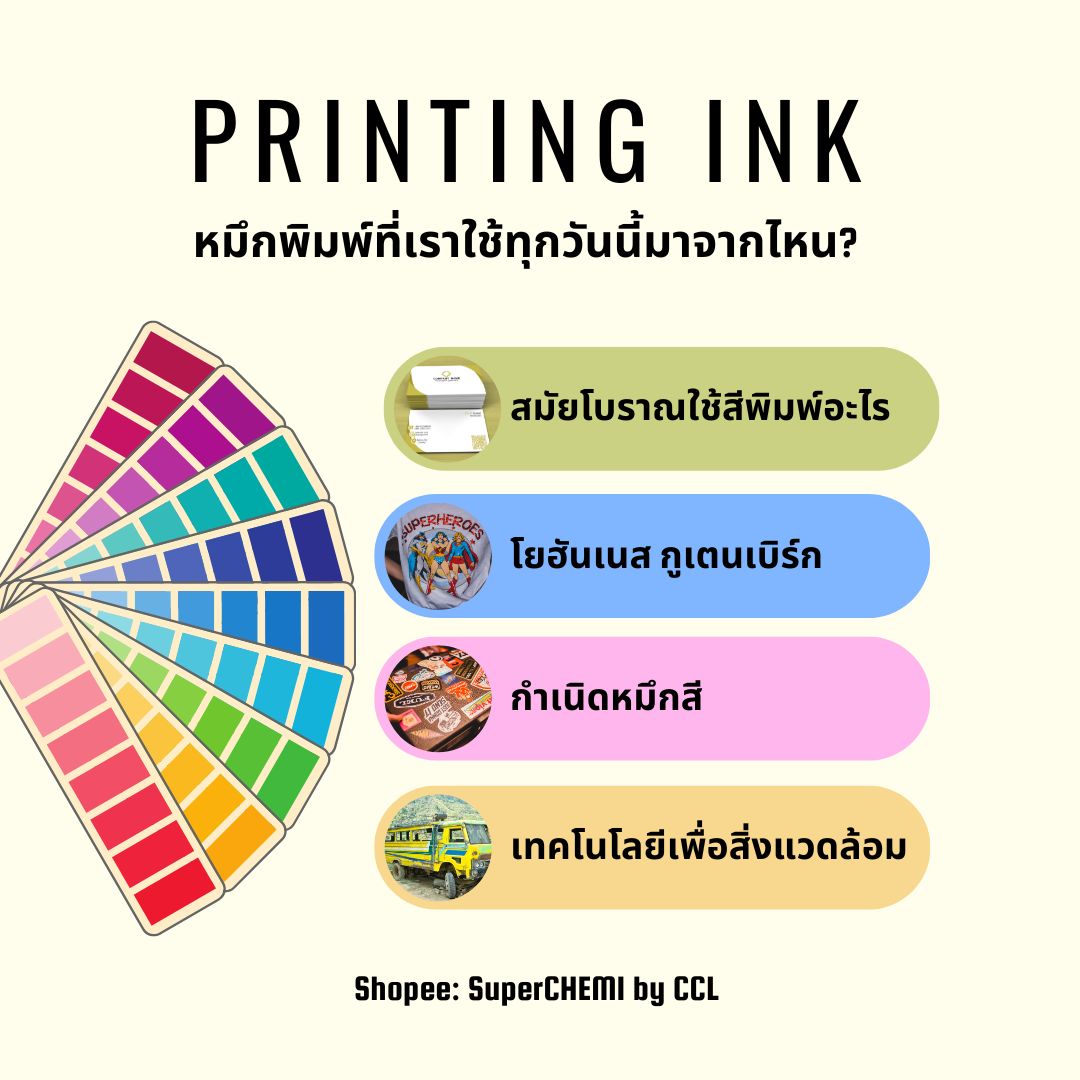
ประวัติของหมึกพิมพ์มีอายุหลายพันปีและเทคโนโลยีของหมึกพิมพ์นั้นเกี่ยวข้องอย่างใกล้ชิดกับการพัฒนาเทคนิคการพิมพ์ตามยุคสมัยต่าง ๆ
 
1. **สมัยโบราณ:** หมึกพิมพ์ยุคแรกถูกสร้างขึ้นมาจากวัสดุธรรมชาติ เช่น สารสกัดจากพืช แร่ธาตุและผลิตภัณฑ์จากสัตว์ สำหรับใช้เขียนและกระบวนการพิมพ์แบบบล็อก
 
2. **ประเทศจีนและการคิดค้นของกูเตนเบิร์ก:** ในศตวรรษที่ 11 ประเทศจีนได้พัฒนาการผลิตหมึกคาร์บอนจากเขม่าตะเกียงไฟ ในช่วงศตวรรษที่ 15 โยฮันเนส กูเตนเบิร์กได้ประดิษฐ์เครื่องพิมพ์พกพาแบบอัตโนมัตินำมาซึ่งการพิมพ์แบบโลหะ และหมึกที่ใช้กับเครื่องพิมพ์แบบนี้เป็นหมึกประเภทใช้น้ำมัน
 
3. **ศตวรรษที่ 16 ถึง 18:** ในระหว่างยุคเรเนซองต์ มีการพัฒนาหมึกพิมพ์ที่ดีขึ้น โดยใช้น้ำมันข้าวฟ่างและสียาง เพื่อให้หมึกพิมพ์เกาะกับโลหะและทนทานต่อแรงกดของเครื่องพิมพ์ได้ดียิ่งขึ้น
 
4. **ศตวรรษที่ 19:** มีการพัฒนาหมึกอะนิลีนซึ่งได้มาจากสารต้านเชื้อราโคลทาร์ไทด์ หมึกพิมพ์ชนิดนี้ช่วยให้สามารถใช้สีที่หลากหลายกว่าและเป็นที่นิยมสำหรับการพิมพ์สีที่ไม่ใช่แบบขาว-ดำ
 
5. **ศตวรรษที่ 20:** การคิดค้นของเครื่องพิมพ์แบบออฟเซทในต้นศตวรรษที่ 20 ทำให้หมึกพิมพ์แบบออฟเซทหรือหมึกออฟเซทถูกสร้างขึ้น หมึกพิมพ์แบบนี้ถูกออกแบบเฉพาะสำหรับกระบวนการพิมพ์ออฟเซทลิโทกราฟีซึ่งที่เป็นที่นิยมในการใช้เชิงพาณิชย์
 
6. **ศตวรรษที่ 20 ถึงปัจจุบัน:** เทคโนโลยีหมึกพิมพ์ยังคงเติบโตต่อเนื่องในศตวรรษที่ 20 เป็นต้นมา หมึกชนิดน้ำกลายเป็นที่นิยมด้วยคุณสมบัติที่เป็นมิตรต่อสิ่งแวดล้อม และหมึกดิจิตอลก็ได้ถูกพัฒนาสืบเนื่องมาจากการพัฒนาระบบพิมพ์แบบ Ink Jet และ Laser
 
7. **หมึกพิมพ์ชนิดพิเศษ:** ตัวอย่างเช่น หมึกพิมพ์ชนิดทนต่อรังสี UV และหมึกพิมพ์สำหรับอิเล็กทรอนิกส์ เป็นต้น
 
8. **หมึกพิมพ์เพื่อสิ่งแวดล้อม:** ผู้ผลิตนิยมพัฒนาหมึกที่มีส่วนประกอบที่เป็นมิตรต่อสิ่งแวดล้อมและส่วนประกอบที่มาจากชีวภาพ ลดสารเคมีอันตรายเพื่อความยั่งยืนของธรรมชาติและสิ่งแวดล้อม
 
The history of printing ink dates back thousands of years, and its evolution has been closely tied to the development of various printing techniques. Here is a brief overview of the significant milestones in the history of printing ink:
 
1. **Ancient Times:** The earliest forms of ink were made from natural materials, such as plant extracts, minerals, and animal products. Ancient civilizations, like the Egyptians and Chinese, used these inks for writing and early forms of block printing.
 
2. **China and Gutenberg’s Invention:** In the 11th century, China advanced ink-making by producing carbon ink from soot and lampblack. Later, in the 15th century, Johannes Gutenberg’s invention of the movable-type printing press revolutionized printing, and oil-based inks were developed for use with metal type.
 
3. **16th to 18th Centuries:** During the Renaissance, Europe saw significant improvements in ink production. Linseed oil and varnishes were used to create oil-based inks that adhered well to metal and could withstand the pressure of the printing press.
 
4. **19th Century:** The 19th century witnessed the development of new ink types, including aniline inks, which were derived from coal tar dyes. These inks allowed for a broader range of colors and became popular for color printing.
 
5. **20th Century:** The invention of offset printing in the early 20th century led to the creation of offset inks, which were specially designed for the offset lithography process. This printing technique became widely used in commercial printing.
 
6. **Late 20th Century to Present:** Advancements in ink technology continued throughout the late 20th century and into the 21st century. Water-based inks gained popularity due to their eco-friendly properties, and digital printing opened new possibilities with the development of inkjet and laser inks.
 
7. **Specialty Inks:** Alongside traditional printing inks, specialty inks emerged, such as UV-curable inks, which cure instantly under ultraviolet light, and conductive inks used in printed electronics.
 
8. **Sustainable Inks:** In recent years, there has been a growing focus on sustainable ink formulations. Manufacturers are developing eco-friendly and bio-based inks, reducing harmful chemical components and environmental impact.
 
The history of printing ink reflects the continuous innovation and adaptation of ink-making techniques to suit the demands of changing printing technologies and the need for more sustainable solutions in the modern era.