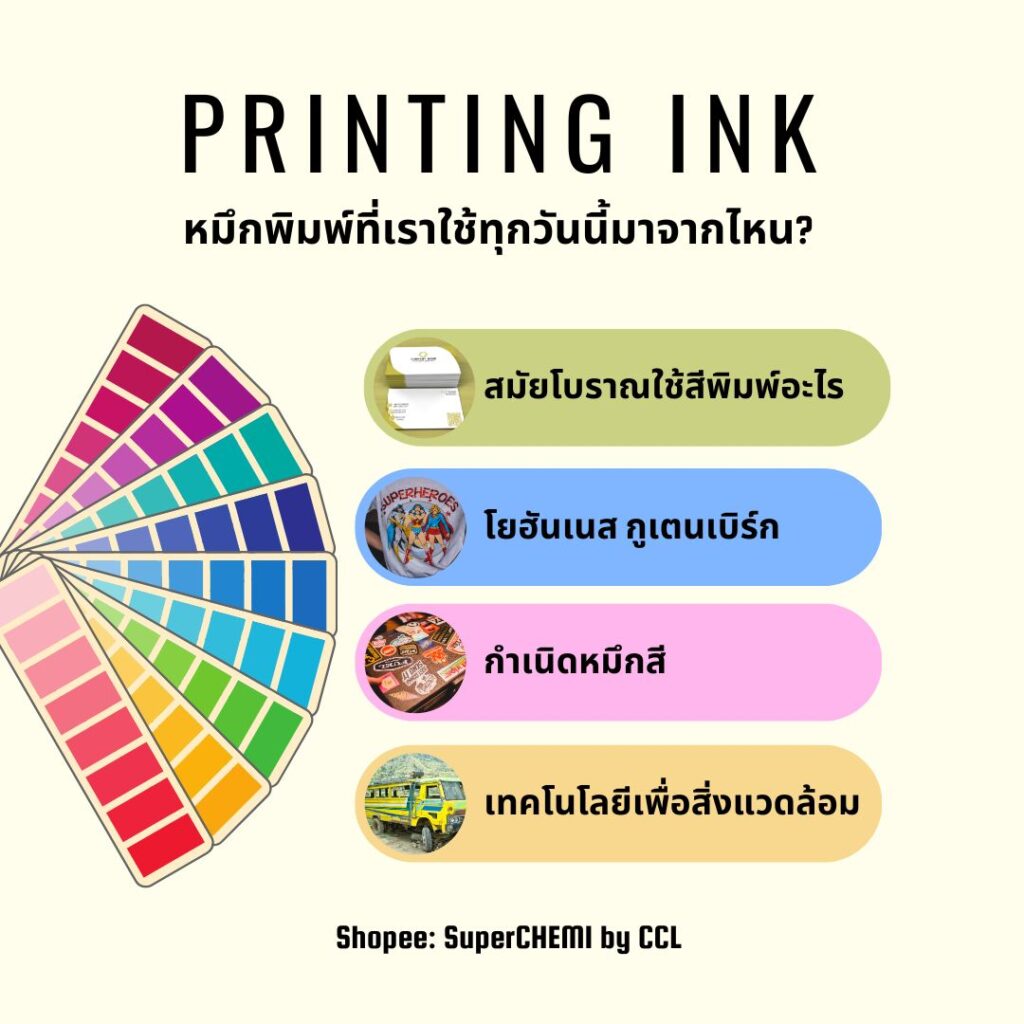
As the world continues to evolve, so do the colors that shape our visual landscape. For 2024, the color palette is shifting towards a more vibrant, bold, and lively direction, reflecting a sense of optimism, energy, and hope. Here are some key color trends to watch for:
Viva Magenta: Pantone has declared Viva Magenta, a spirited shade of crimson red, as their Color of the Year for 2024. This bold and electrifying color embodies joy, exuberance, and a sense of pushing boundaries.
Digital Lavender: Digital Lavender, a soft and ethereal shade of purple, evokes a sense of tranquility, creativity, and digital escapism. It’s a color that symbolizes the blurring lines between the physical and digital worlds.
Tranquil Turquoise: Tranquil Turquoise, a serene shade of blue-green, represents balance, harmony, and a connection to nature. It’s a color that promotes a sense of calm and well-being.
Verdant Verdant: Verdant Verdant, a deep and earthy shade of green, symbolizes growth, regeneration, and a connection to the natural world. It’s a color that promotes sustainability and environmental consciousness.
Sunshine Buttercup: Sunshine Buttercup, a radiant and optimistic shade of yellow, represents joy, positivity, and a sense of hope. It’s a color that brings warmth and cheerfulness to any space.
These color trends reflect a desire for more vibrant, expressive, and meaningful colors that resonate with our current times. Embrace these colors to create spaces that inspire, energize, and soothe the soul.
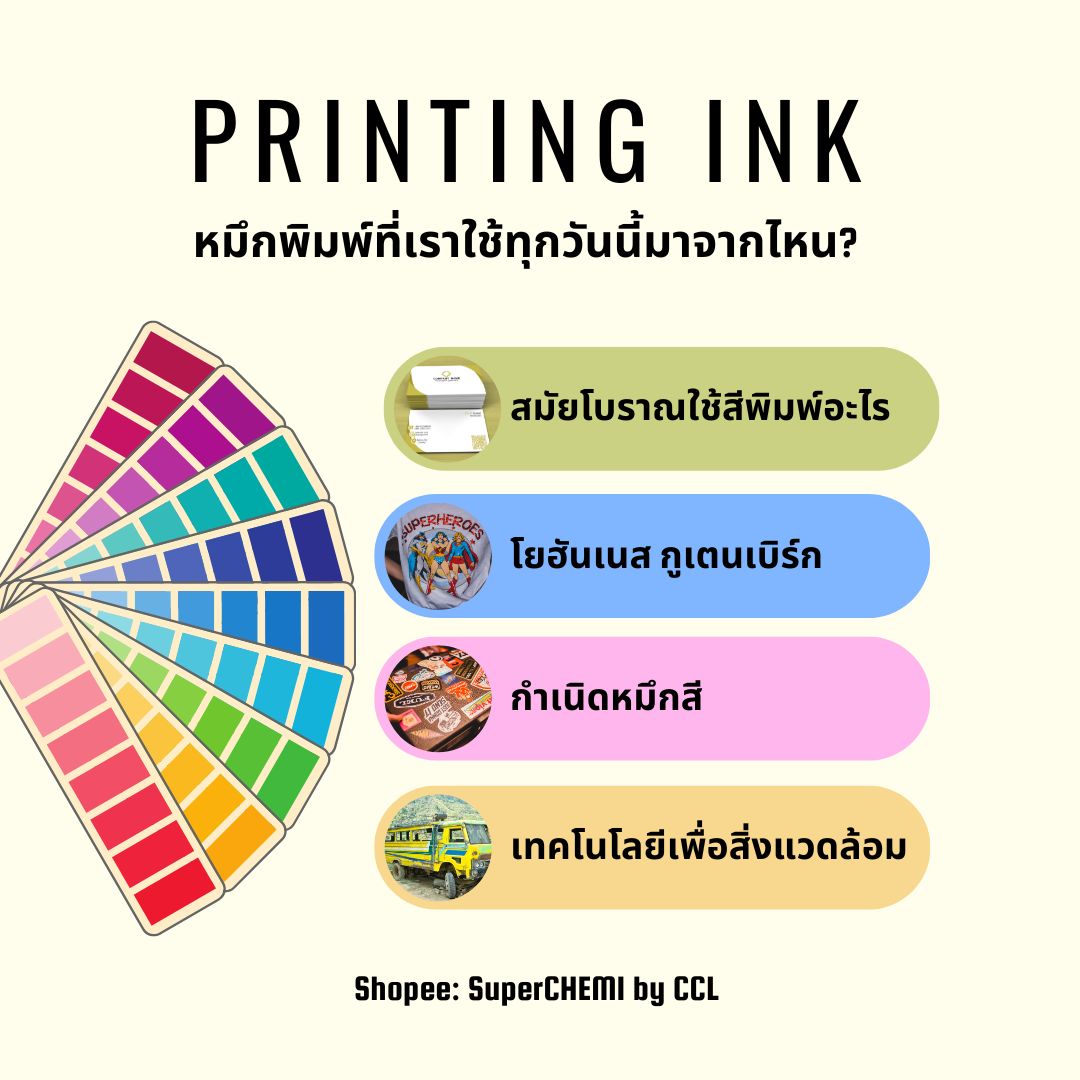
The history of printing ink dates back thousands of years, and its evolution has been closely tied to the development of various printing techniques. Here is a brief overview of the significant milestones in the history of printing ink:
1. **Ancient Times:** The earliest forms of ink were made from natural materials, such as plant extracts, minerals, and animal products. Ancient civilizations, like the Egyptians and Chinese, used these inks for writing and early forms of block printing.
2. **China and Gutenberg’s Invention:** In the 11th century, China advanced ink-making by producing carbon ink from soot and lampblack. Later, in the 15th century, Johannes Gutenberg’s invention of the movable-type printing press revolutionized printing, and oil-based inks were developed for use with metal type.
3. **16th to 18th Centuries:** During the Renaissance, Europe saw significant improvements in ink production. Linseed oil and varnishes were used to create oil-based inks that adhered well to metal and could withstand the pressure of the printing press.
4. **19th Century:** The 19th century witnessed the development of new ink types, including aniline inks, which were derived from coal tar dyes. These inks allowed for a broader range of colors and became popular for color printing.
5. **20th Century:** The invention of offset printing in the early 20th century led to the creation of offset inks, which were specially designed for the offset lithography process. This printing technique became widely used in commercial printing.
6. **Late 20th Century to Present:** Advancements in ink technology continued throughout the late 20th century and into the 21st century. Water-based inks gained popularity due to their eco-friendly properties, and digital printing opened new possibilities with the development of inkjet and laser inks.
7. **Specialty Inks:** Alongside traditional printing inks, specialty inks emerged, such as UV-curable inks, which cure instantly under ultraviolet light, and conductive inks used in printed electronics.
8. **Sustainable Inks:** In recent years, there has been a growing focus on sustainable ink formulations. Manufacturers are developing eco-friendly and bio-based inks, reducing harmful chemical components and environmental impact.
The history of printing ink reflects the continuous innovation and adaptation of ink-making techniques to suit the demands of changing printing technologies and the need for more sustainable solutions in the modern era.
Cellulose Acetate Butyrate (CAB) is a thermoplastic polymer that is a derivative of cellulose, a natural polymer found in plant cell walls. It is a type of cellulose ester, which is formed by modifying cellulose with acetic acid and butyric acid. It is commonly used in various applications due to its unique properties, such as its excellent clarity, good impact resistance, and high resistance to yellowing.
CAB is often used in coatings and films due to its transparency and high gloss. It is also used in applications where toughness, flexibility, and durability are required, such as in automotive parts, consumer goods, and packaging materials. It is known for its good adhesion properties, making it suitable for use as a coating on a wide range of substrates, including metal, plastic, and glass.
One of the main advantages of CAB is its ability to be easily molded and shaped using conventional plastic processing techniques, such as injection molding, extrusion, and blow molding. CAB can also be dissolved in a wide range of solvents, allowing for easy formulation of coatings and films with desired properties.
In addition to its physical properties, CAB is also known for its chemical resistance, which makes it suitable for use in harsh environments where exposure to chemicals or UV radiation is a concern. CAB is also relatively stable at elevated temperatures, making it suitable for high-temperature applications.
Aluminium Paste: A Versatile Solution for Various Industries
Aluminium paste is a fine, metallic powder made from aluminium flakes that are treated with special chemicals to prevent oxidation and provide stability. This versatile substance is widely used in a variety of industries for its unique properties and applications.
One of the main applications of aluminium paste is in the automotive industry, where it is used for coating and painting. Aluminium paste is mixed with other ingredients, such as resins and solvents, to create high-quality coatings that provide excellent adhesion, durability, and corrosion resistance. These coatings are used in various automotive parts, including wheels, trim, and engine components, to protect them from environmental factors and enhance their appearance.
Another significant use of aluminium paste is in the manufacture of reflective coatings for heat insulation materials. Aluminium paste is added to coatings that are applied to building facades, roofs, and other surfaces to reflect sunlight and reduce heat absorption, thus improving energy efficiency and reducing cooling costs.
In the printing industry, aluminium paste is used in the production of metallic inks. These inks are used for printing on a wide range of materials, including paper, plastic, and metal, to create eye-catching designs and special effects. Aluminium paste provides excellent metallic luster, brightness, and printability, making it an ideal choice for printing applications.
In the construction industry, aluminium paste is used in the production of lightweight concrete and aerated concrete blocks. The addition of aluminium paste improves the stability, insulating properties, and fire resistance of these materials, making them ideal for construction applications.