Aluminium Paste: A Versatile Solution for Various Industries
Aluminium paste is a fine, metallic powder made from aluminium flakes that are treated with special chemicals to prevent oxidation and provide stability. This versatile substance is widely used in a variety of industries for its unique properties and applications.
One of the main applications of aluminium paste is in the automotive industry, where it is used for coating and painting. Aluminium paste is mixed with other ingredients, such as resins and solvents, to create high-quality coatings that provide excellent adhesion, durability, and corrosion resistance. These coatings are used in various automotive parts, including wheels, trim, and engine components, to protect them from environmental factors and enhance their appearance.
Another significant use of aluminium paste is in the manufacture of reflective coatings for heat insulation materials. Aluminium paste is added to coatings that are applied to building facades, roofs, and other surfaces to reflect sunlight and reduce heat absorption, thus improving energy efficiency and reducing cooling costs.
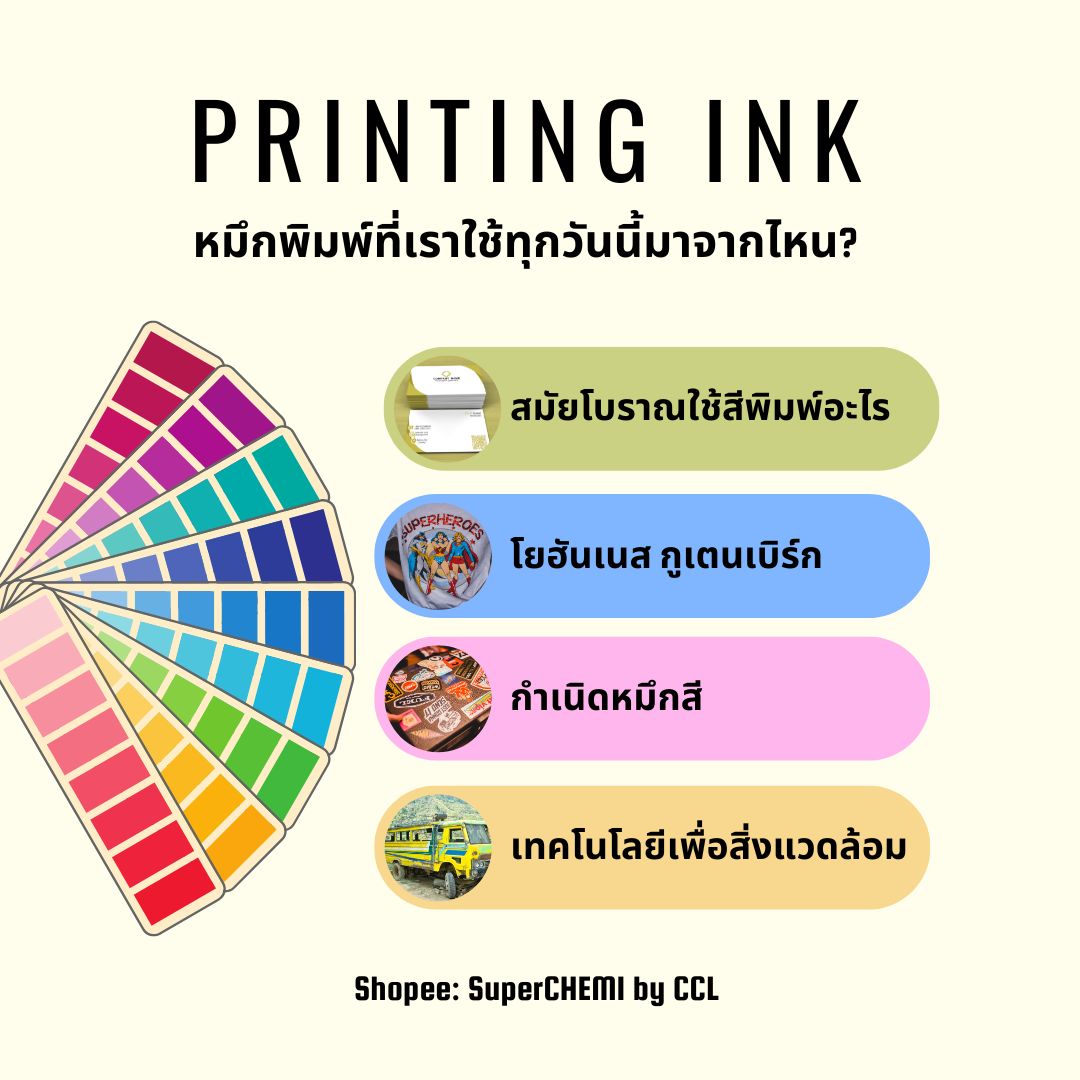
In the printing industry, aluminium paste is used in the production of metallic inks. These inks are used for printing on a wide range of materials, including paper, plastic, and metal, to create eye-catching designs and special effects. Aluminium paste provides excellent metallic luster, brightness, and printability, making it an ideal choice for printing applications.
In the construction industry, aluminium paste is used in the production of lightweight concrete and aerated concrete blocks. The addition of aluminium paste improves the stability, insulating properties, and fire resistance of these materials, making them ideal for construction applications.
Titanium dioxide is a widely used inorganic compound that is valued for its brilliant white color, high refractive index, and excellent UV absorbing properties. It is used in a variety of applications such as pigments, coatings, plastics, and cosmetics.
One of the key benefits of using titanium dioxide is its ability to provide excellent opacity and coverage, even at low concentrations. This makes it an ideal choice for use in paints and coatings, as well as in plastics and other materials where a bright, consistent color is desired.
Another advantage of titanium dioxide is its ability to absorb UV radiation, which makes it a popular choice for use in sunscreens and other personal care products. In these applications, it helps to protect the skin from the harmful effects of the sun’s rays. #colossalinternational #Additive #Printing #ColossalInternational #Colossal #coating #graphicart #paint #TitaniumDioxide #tio2
Titanium Dioxide (TiO2) is a naturally occurring oxide of Titanium that is commonly used in various industries due to its unique properties, such as high refractive index, high opacity, and UV resistance.
There are two main methods for producing Titanium Dioxide:
1. Chloride Process: In this process, high-quality rutile or ilmenite ores are treated with chlorine gas and coke at high temperatures to produce Titanium Tetrachloride (TiCl4). The TiCl4 is then oxidized with oxygen to produce pure TiO2.
2. Sulfate Process: In this process, ilmenite ores are digested with Sulfuric acid to produce a Titanium Sulfate solution. The solution is then hydrolyzed to precipitate TiO2.
After production, TiO2 can be further processed to improve its properties for specific applications. For example, it can be coated with materials such as silica or alumina to improve its dispersibility in liquids or to enhance its resistance to weathering. It can also be surface-treated with various chemicals to modify its surface properties.
TiO2 is commonly used in a wide range of applications, including paint, coatings, plastics, paper, and cosmetics. Its high refractive index makes it a popular choice for white pigments, and its UV resistance makes it useful for sunscreens and other protective coatings.