Snail Mucous Extract (สารสกัดจากเมือกหอยทาก)

Tags :

Category : Cosmetics


Snail Mucous Extract (สารสกัดจากเมือกหอยทาก)

Cosmetics

สารสกัดเมือกหอยทากสำหรับเครื่องสําอางเป็นที่นิยมในวงการเครื่องสําอางเนื่องจากคุณสมบัติพิเศษที่เป็นประโยชน์สําหรับผิวหนัง เมือกของหอยทากมีสารประกอบหลายชนิดซึ่งเชื่อว่ามีคุณสมบัติในการบำรุงผิว ช่วยในการรักษาความชุ่มชื้นของผิว ลดริ้วรอย และช่วยให้ดูอ่อนเยาว์
 
สารสกัดเมือกหอยทากและการใช้งานในเครื่องสําอาง:
1. ประโยชน์ต่อผิว: สารสกัดเมือกหอยทากเป็นแหล่งของสารที่มีประโยชน์หลายชนิด เช่น กรดไฮยาลูรอนิก กรดไกลโคลิก อีลาสติน คอลลาเจน และวิตามิน A และ E สารเหล่านี้ช่วยในการบำรุงความชุ่มชื้นของผิว ปรับโครงสร้างผิว และเพิ่มความยืดหยุ่นซึ่งช่วยลดริ้วรอยบนผิว
2. คุณสมบัติในการช่วยบำรุงความชุ่มชื้น: สารสกัดเมือกหอยทากเป็นสารที่ช่วยให้ผิวกักเก็บความชุ่มชื้นได้ดี ซึ่งเป็นประโยชน์สำหรับผู้ที่มีผิวแห้งหรือผิวที่ขาดความชุ่มชื้น
3. ลดการเกิดริ้วรอย: คอลลาเจนและอีลาสตินในสารสกัดเมือกหอยทากสามารถช่วยลดริ้วรอยและเพิ่มความยืดหยุ่นของผิวได้ อีกทั้งยังมีสารต้านอนุมูลอิสระอีกด้วย
4. การช่วยบำรุงผิวและสมานรอยแผล: สารสกัดเมือกหอยทากมักถูกใช้ในกระบวนการรักษาแผลเพราะความสามารถในการกระตุ้นกระบวนการสร้างเนื้อเยื่อ สามารถส่งเสริมการเจริญเติบโตและเพิ่มความสมดุลของเซลล์ รวมถึงลดการอักเสบและลดริ้วรอยที่เกิดขึ้นได้
5. ปัญหาสิวและผิวหมองคล้ำ: จากการศึกษาพบว่าสารสกัดเมือกหอยทากมีคุณสมบัติต้านการอักเสบและต้านเชื้อแบคทีเรีย ซึ่งช่วยลดการอักเสบและช่วยรักษาผิวที่มีปัญหาสิว อีกทั้งกรดไกลโคลิกในสารสกัดเมือกหอยทากจะช่วยลดเลือนริ้วรอยจากแผลและช่วยปรับผิวให้เรียบเนียนและสม่ำเสมอขึ้น
 
Snail mucous extract has gained popularity in the cosmetics industry due to its potential benefits for the skin. The mucus produced by snails contains various compounds that are believed to have moisturizing, anti-aging, and wound-healing properties. Here’s some information on snail mucous extract and its use in cosmetics:
1. Skin Benefits: Snail mucous extract is rich in several beneficial components, including hyaluronic acid, glycolic acid, elastin, collagen, and vitamins A and E. These substances are known to promote skin hydration, improve skin texture, and enhance elasticity, which can help reduce the appearance of fine lines and wrinkles.
2. Moisturizing Properties: Snail mucous extract is a natural humectant, meaning it helps to attract and retain moisture in the skin. This can be particularly beneficial for individuals with dry or dehydrated skin, as it can provide long-lasting hydration.
3. Anti-Aging Effects: The presence of collagen and elastin in snail mucous extract can contribute to its anti-aging effects. These proteins help to improve skin elasticity, firmness, and overall tone. Additionally, snail mucous extract contains antioxidants that can help protect the skin from damage caused by free radicals, which are known to contribute to the aging process.
4. Wound Healing: Snail mucous extract has been traditionally used in wound healing due to its ability to promote tissue regeneration. It contains growth factors and peptides that can accelerate the healing process, reduce inflammation, and minimize the appearance of scars.
5. Acne and Hyperpigmentation: Some studies suggest that snail mucous extract may have anti-inflammatory and antimicrobial properties, making it potentially beneficial for individuals with acne-prone skin. Additionally, the exfoliating properties of glycolic acid found in snail mucous extract may help reduce hyperpigmentation and promote a more even skin tone.
#SnailMucousExtract #Snail #สารสกัดเมือกหอยทาก #ColossalInternational #Cosmetic

China Clay (ดินขาว)

Tags :

Category : Rubber & IA


China Clay (ดินขาว)

Rubber & IA

China Clay หรือที่รู้จักกันในชื่อ Kaolin เป็นดินเหนียวสีขาวประเภทหนึ่งที่ประกอบด้วยแร่คาโอไลนาที่เรียกว่าคาโอลินิท เป็นชื่อตามภูมิภาคในประเทศจีนที่มีชื่อว่าเค่า-หลิ่ง ซึ่งเป็นตำแหน่งแรกที่ค้นพบแร่ชนิดนี้ ดินขาวมีการใช้งานอย่างกว้างขวางในอุตสาหกรรมต่าง ๆ เนื่องจากคุณสมบัติพิเศษ
 
ตัวอย่างคุณสมบัติและการใช้งานของดินขาว:
 
1. ส่วนประกอบ: แร่คาโอไลนิทที่เรียกว่าคาโอลินิต ซึ่งเป็นไฮดรัสอลูมิเนียมซิลิเกต และอาจประกอบด้วยแร่อื่น ๆ เช่นควอตซ์ แฟลด์สปาร์ และไมกา
2. ลักษณะภายนอก: มีโครงสร้างละเอียด นุ่ม และเนียน เมื่อถูกทำให้บริสุทธิ์แล้วจะมีสีขาว แต่อาจพบสีเทา เหลือง หรือชมพู ขึ้นอยู่กับสิ่งเจือปนที่อาจพบได้
3. ความสามารถในการดูดซับ: ดินขาวมีคุณสมบัติดูดซับที่ดีมาก ซึ่งทำให้มีประโยชน์ในอุตสาหกรรมการผลิตกระดาษ เนื่องจากมักถูกใช้เป็นวัสดุเติมหรือเคลือบเพื่อเพิ่มความสว่าง ความเรียบ และความสามารถในการดูดซับหมึกพิมพ์
4. เซรามิกและเครื่องปั้นดินเผา: เป็นองค์ประกอบหลักในการผลิตเซรามิกและเครื่องปั้นดินเผา ด้วยคุณสมบัติที่มีค่าความหดตัวต่ำ สามารถคงตัวได้ดี และมีสีขาว สามารถปั้นหรือเติมแต่งสีผลิตภัณฑ์เป็นรูปแบบต่างๆได้ง่าย เช่น จาน กระเบื้อง และเครื่องสุขภัณฑ์
5. สีและเม็ดสี: เนื่องจากผลึกที่เล็กและมีความสว่าง สามารถสะท้อนแสงได้ดี ดินขาวเป็นที่นิยมในการผลิตสี สารเคลือบ และเม็ดสี โดยใช้เป็นสารเติมแต่งเพื่อปรับปรุงความทึบแสง ความคงทน และเนื้อสัมผัสของสี อีกทั้งยังสามารถช่วยยืดอายุและเพิ่มการกระจายตัวของสีอีกด้วย
6. ยางและพลาสติก: นำไปใช้เป็นสารเติมแต่งของสูตรยางและการสร้างรูปของพลาสติก โดยช่วยพัฒนาคุณสมบัติทางกายภาพ ความแข็งตัว และความคงรูปของผลิตภัณฑ์
7. เครื่องสำอางค์: ใช้ในการผลิตสกินแคร์ต่างๆ เช่น มากส์หน้า แป้ง และครีมบำรุงผิว โดยมีความโดดเด่นเรื่องคุณสมบัติดูดซับสารต่างๆได้ดี และช่วยผลัดเซลล์ผิวอย่างอ่อนโยน ช่วยให้ผิวมีความสะอาดมากยิ่งขึ้น
8. อุตสาหกรรมอื่นๆ: เช่น การใช้ในกระบวนการผลิตยางล้อรถ ใช้เป็นตัวเร่งปฏิกิริยา สารกำจัดแมลง กาว และผลิตภัณฑ์ที่เกี่ยวกับการก่อสร้างต่างๆ เป็นต้น
 
China Clay, also known as Kaolin, is a type of soft white clay that is primarily composed of the mineral Kaolinite. It is named after the region in China, Kao-Ling, where it was originally discovered. It is extensively used in various industries due to its unique properties.
 
Here are some key characteristics and uses of China Clay:
 
1. Composition: It primarily consists of the mineral kaolinite, which is a Hydrous Aluminum Silicate. It may also contain other minerals such as Quartz, Feldspar, and Mica.
2. Appearance: It has a fine, soft, and smooth texture. In its purest form, it is white, but it can also be found in shades of gray, yellow, or pink, depending on the impurities present.
3. Absorbency: It has excellent absorbent properties, which make it useful in industries such as papermaking. It is often used as a filler or coating material to enhance the brightness, smoothness, and ink receptivity of paper.
4. Ceramics and Pottery: It is a fundamental component in the production of ceramics and pottery. Its low shrinkage, high plasticity, and white color make it ideal for forming and shaping objects such as dishes, tiles, and sanitaryware. It also helps improve the strength and whiteness of the final products.
5. Paint and Pigments: Due to its fine particle size and light-reflecting properties, it is widely used in the manufacturing of paints, coatings, and pigments. It acts as an extender, improving the opacity, durability, and texture of the paint. It also enhances the color retention and dispersion of pigments.
6. Rubber and Plastics: It is incorporated into rubber and plastic formulations as a reinforcing filler. It improves the mechanical properties, stiffness, and dimensional stability of these materials.
7. Cosmetics: In the cosmetics industry, it is utilized in the production of skincare products, such as facial masks, powders, and creams. It is valued for its absorbent and gentle exfoliating properties, helping to cleanse and purify the skin.
8. Other Applications: It has diverse applications, including in the production of rubber tires, catalyst supports, insecticides, adhesives, and various construction materials.
 
#ChinaClay #Kaolin #Clay #ดินขาว #ColossalInternational #chemistry #วัตถุดิบคุณภาพ

Ammonium Sulfate (แอมโมเนียมซัลเฟต)

Category : Pharmaceuticals


Ammonium Sulfate (แอมโมเนียมซัลเฟต)

Pharmaceuticals

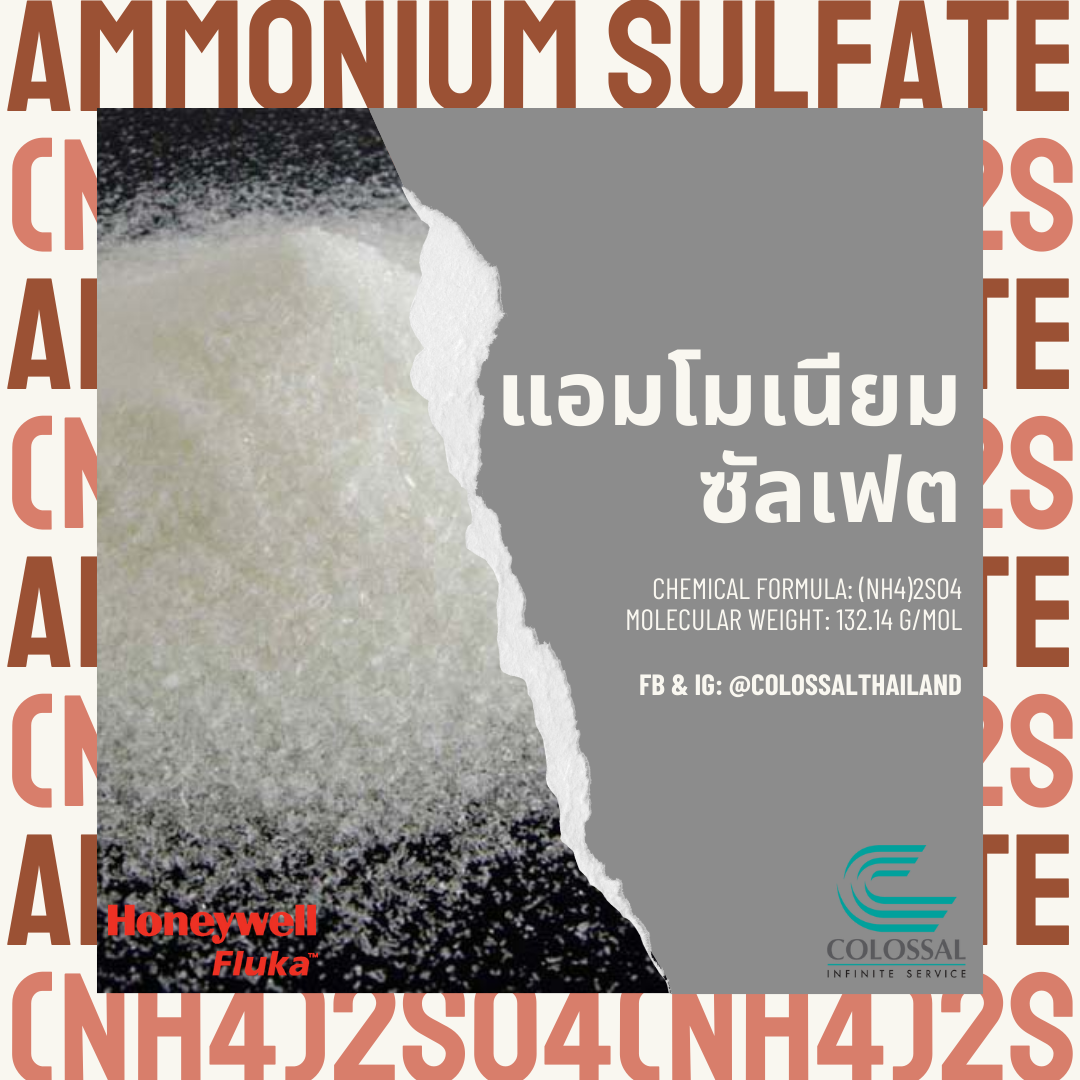
แอมโมเนียมซัลเฟต (Ammonium Sulfate) หรือที่รู้จักกันอีกชื่อหนึ่งว่าไดแอมโมเนียมซัลเฟต เป็นสารประกอบอนินทรีย์ที่มีสูตรเคมี (NH4)2SO4 ซึ่งมีการใช้งานทั่วไปเป็นปุ๋ยเคมี และใช้ในงานอุตสาหกรรมต่างๆ
 
1) สูตรเคมี: (NH4)2SO4
2) น้ำหนักโมเลกุล: 132.14 กรัม/โมล
3) ลักษณะ: เป็นผลึกสีขาวแข็งไม่มีกลิ่น
4) ความละลาย: ละลายได้ดีในน้ำ
5) ปุ๋ยเคมี: แอมโมเนียมซัลเฟตเป็นปุ๋ยที่ใช้กันอย่างแพร่หลายสำหรับปุ๋ยประเภทไนโตรเจน เหมาะสำหรับพืชที่ต้องการกำมะถันสูง เช่น ผักกาด ข้าวโพด และข้าวสาลี
6) ใช้ควบคุมค่า pH: แอมโมเนียมซัลเฟตสามารถใช้ปรับค่า pH ในดินหรือน้ำได้ มักใช้ในดินที่เป็นด่างเพื่อเพิ่มความเป็นกรด และสร้างสภาพแวดล้อมที่เหมาะสมสำหรับพืชบางชนิด
7) การใช้งานในอุตสาหกรรม: แอมโมเนียมซัลเฟต ใช้ในกระบวนการผลิตเส้นใยสังเคราะห์ สีย้อม ยา รวมถึงเป็นองค์ประกอบในสารดับเพลิง
8) วัตถุเจือปนอาหาร: แอมโมเนียมซัลเฟต ยังสามารถใช้เป็นวัตถุเจือปนอาหารซึ่งได้รับการรับรองเป็นมาตรฐาน ผลิตภัณฑ์อาหารที่นิยมใช้แอมโมเนียมซัลเฟตคือผลิตภัณฑ์จำพวกแป้งและเบเกอรี่ต่างๆ
9) การใช้ในห้องแลปปฏิบัติการ: แอมโมเนียมซัลเฟต สามารถใช้ในกระบวนการแยกโปรตีนให้บริสุทธิ์และทำให้เกิดการตกผลึก โดยคุณสมบัติที่ละลายในน้ำได้ดีทำให้แอมโมเนียมซัลเฟตสร้างพันธะไฮโดรเจนกับโปรตีนและตกตะกอนเป็นผลึกได้ง่าย
10) ข้อควรระวัง: ควรใช้แอมโมเนียมซัลเฟตในปริมาณที่เหมาะสมกับการใช้งานแต่ละประเภท หากใช้ในปริมาณที่มากเกินไปหรือใช้ผิดวิธี อาจจะทำให้เกิดอาการระคายเคืองต่อผิวหนัง ตา และระบบทางเดินหายใจได้
 
Ammonium Sulfate, also known as Diammonium Sulfate is an inorganic compound with the formula (NH4)2SO4. It is commonly used as a fertilizer and in various industrial applications.
Here are some key points about it:
 
1. Chemical formula: (NH4)2SO4
2. Molecular weight: 132.14 g/mol
3. Appearance: A white crystalline solid with no odor
4. Solubility: Highly soluble in water
5. Fertilizer: It is a popular nitrogen-based fertilizer providing plants with both nitrogen and sulfur, which are essential nutrients for their growth. It is often used for crops that require high levels of sulfur, such as brassicas (cabbage, broccoli, etc.), corn, and wheat.
6. pH control: It can be used to lower the pH of soil or water. It is often applied to alkaline soils to make them more acidic, thus creating a favorable environment for certain plants.
7. Industrial applications: It is commonly used in the production of textiles, dyes, pharmaceuticals, and fire extinguisher compounds.
8. Food additive: Ammonium Sulfate is listed as an approved food additive (E number E517) in the European Union. It is used as a dough conditioner in bread-making and as a stabilizer for certain food products.
9. Laboratory use: Ammonium Sulfate is commonly used in laboratory settings for protein purification and crystallization. It helps in precipitating proteins from solution due to its high solubility in water and ability to form hydrogen bonds with proteins.
10. Safety precautions: It is generally considered safe when used appropriately. However, it can be irritating to the eyes, skin, and respiratory system. It is important to handle it with care and follow safety guidelines when using or storing it.
 
#ColossalInternational #chemistry #วัตถุดิบคุณภาพ #AmmoniumSulfate #แอมโมเนียมซัลเฟต

Antioxidant for Rubber (Wingstay L)

Tags :

Category : Rubber & IA


Antioxidant for Rubber - Wingstay L

Rubber & IA

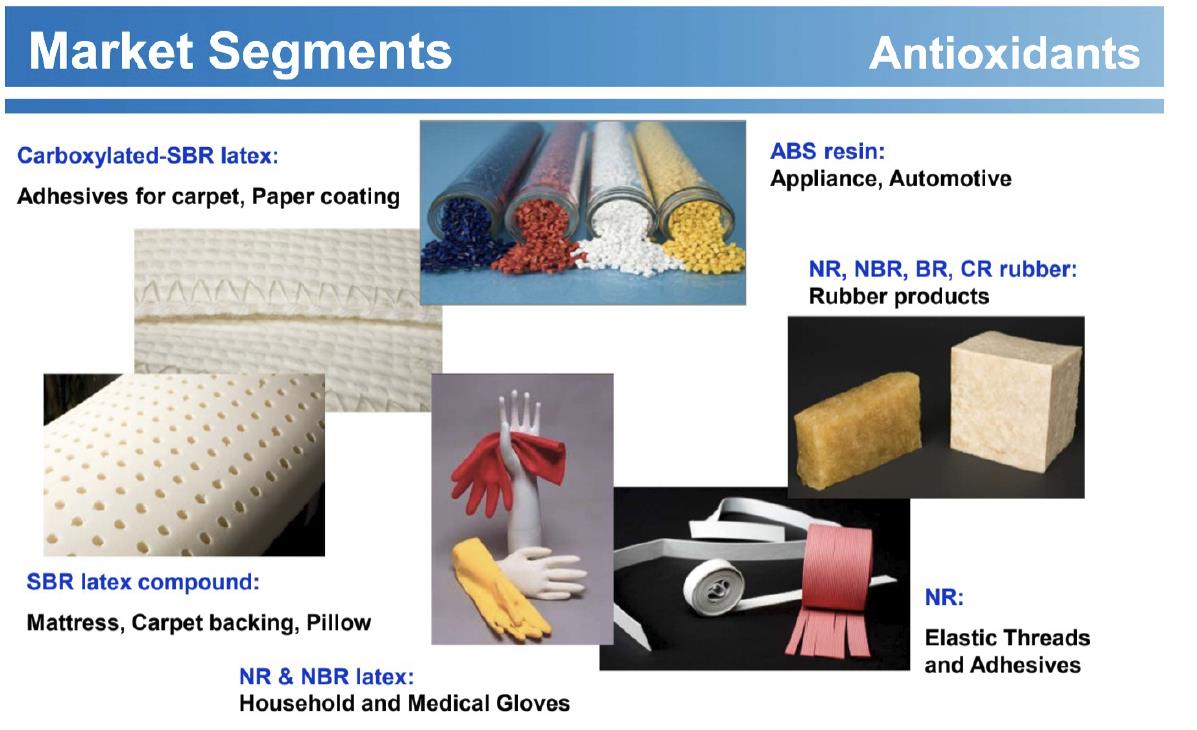
Antioxidant ในสูตรยางหมายถึงการเพิ่มสารเคมีบางชนิดเข้าไปในสูตรยางเพื่อยืดอายุของยาง และลดความเสี่ยงที่จะเกิดปฏิกิริยา Oxidation ซึ่งโดยธรรมชาติแล้วผลิตภัณฑ์จากยางจะถูก oxidize ได้ง่ายเมื่อสัมผัสกับออกซิเจนและความร้อนซึ่งนำไปสู่การเสื่อมสภาพของยาง เช่น เกิดรอยแตก หัก และเสียสภาพความยืดหยุ่น การเพิ่ม Antioxidant จะช่วยลบล้างฤทธิ์สารอนุมูลอิสระที่เกิดจากปฏิกิริยา Oxidation ซึ่งกระบวนการนี้เองที่จะช่วยยืดอายุของยางและเพิ่มประสิทธิภาพของสินค้าได้อีกด้วย

การเลือกใช้ Antioxidant ในสูตรยางนั้นขึ้นอยู่กับปัจจัยหลายประการ เช่น ประเภทของยาง กระบวนการและเงื่อนไขเฉพาะของยางแต่ละชนิด รวมถึงคุณสมบัติในการทนความร้อนและออกซิเจนของผลิตภัณฑ์ยางนั้นๆ

Wingstay L เป็น Antioxidant สำหรับสูตรยางประเภทหนึ่ง ซึ่งใช้ในปริมาณที่ประหยัดกว่าประเภทอื่นๆมากกว่าครึ่ง เนื่องจาก Wingstay L ไม่ทำให้เนื้อยางเปลี่ยนสี และไม่ทำให้ยางเปลี่ยนสภาพ ซึ่งทั้งหมดนับเป็นคุณสมบัติที่ช่วยให้ผู้ผลิตประหยัดงบประมาณในการผลิตสินค้าประเภทยางได้มาก โดยเฉพาะอย่างยิ่งกับอุตสาหกรรมยางที่ใช้ยางธรรมชาติและมาจากพอลิเมอร์ เช่น ABS, NBR, NR และ XSBR เป็นต้น

In the context of rubber, an antioxidant is a chemical compound that is added to rubber formulations to prevent or slow down the degradation of rubber due to oxidation. Rubber products, when exposed to oxygen and heat over time, can undergo oxidation, leading to various forms of degradation such as cracking, hardness increase, and loss of elasticity.

Antioxidants in rubber formulations help inhibit or delay this oxidation process by reacting with and neutralizing the free radicals that are generated during oxidation. By doing so, antioxidants can extend the lifespan and improve the performance of rubber products.

The selection of the antioxidant depends on factors such as the type of rubber, processing conditions, anticipated exposure to heat and oxygen, and other performance requirements.


#Rubber #Antioxidant #WingstayL #ยาง #สูตรยาง #ColossalInternational #chemistry


Differences of Citric Acid (Citric Acid Monohydrate & Citric Acid Anhydrous)

Tags :


Differences of Citric Acid

Food & Basic Chemical

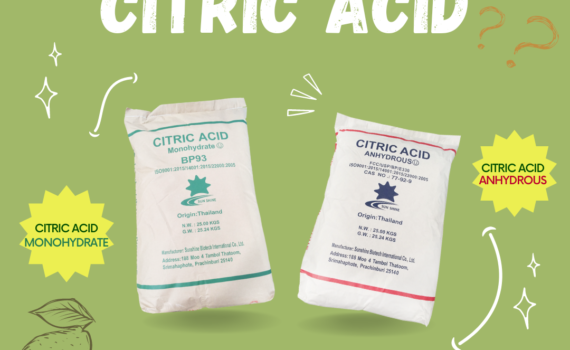
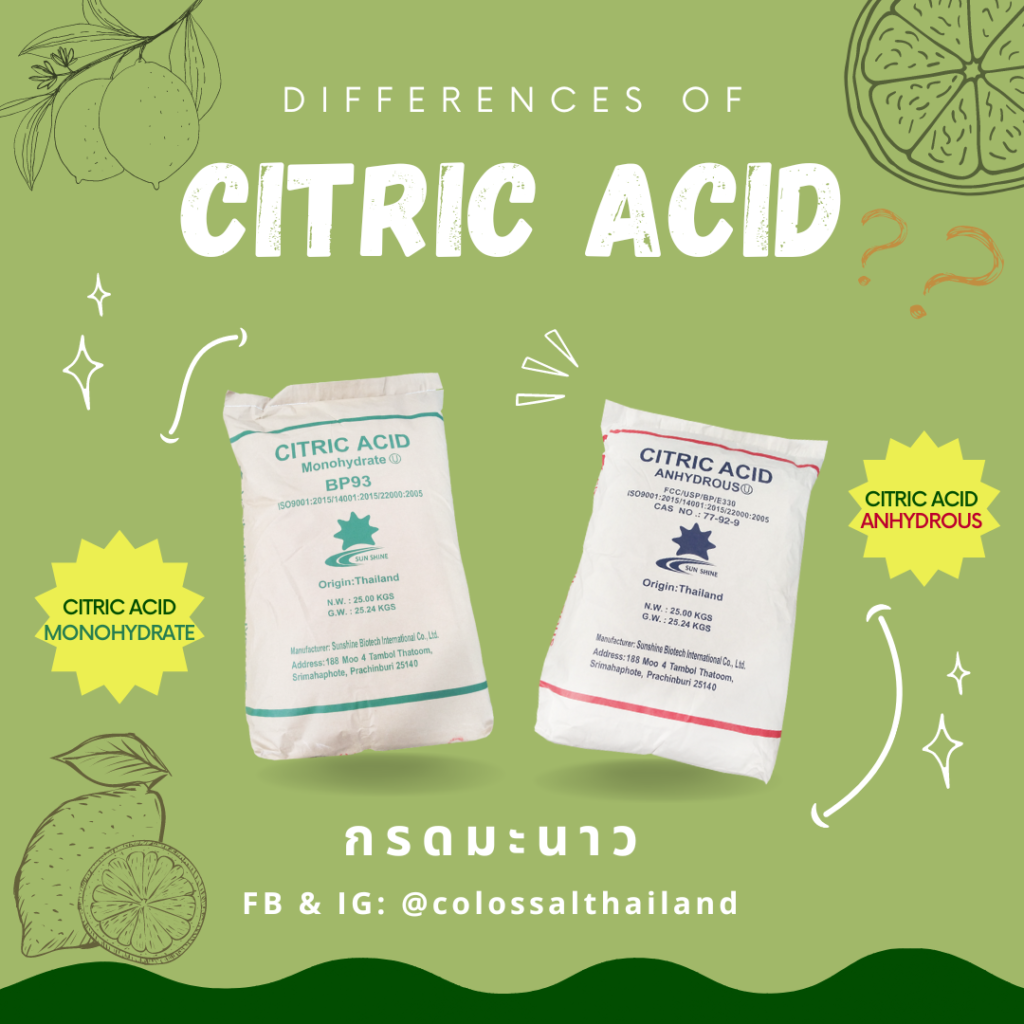
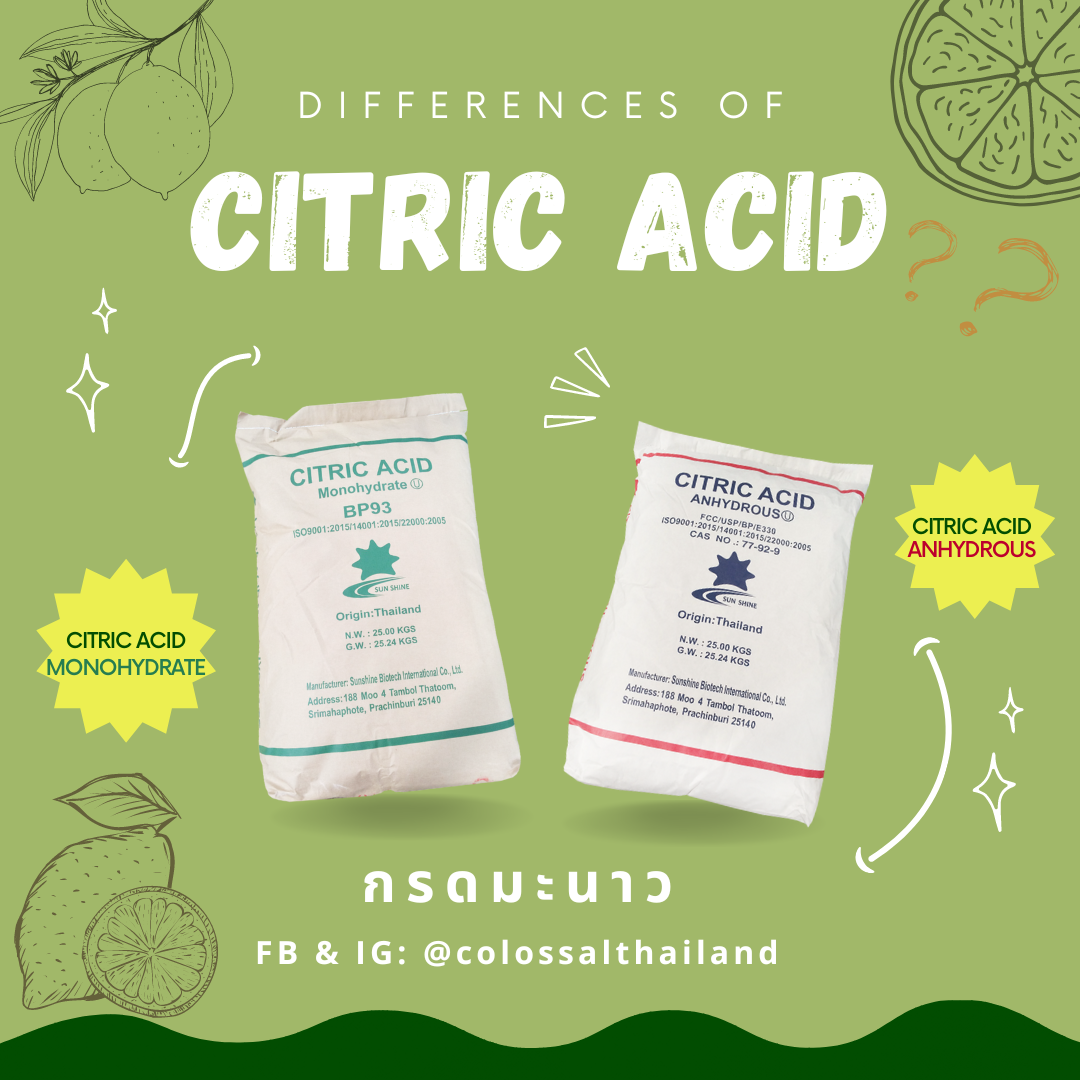
ความแตกต่างระหว่าง Citric Acid Monohydrate และ Citric Acid Anhydrous (กรดมะนาว) คือ องค์ประกอบของน้ำในโมเลกุล โดย Citric Acid Monohydrate จะประกอบไปด้วยโมเลกุลของน้ำ 1 โมเลกุล ต่อ หน่วยโมเลกุลของ Citric Acid Monohydrate ในขณะที่ Citric Acid Anhydrous ไม่มีองค์ประกอบของน้ำอยู่ในโมเลกุลเลย

เนื่องจากปัจจัยที่มีน้ำอยู่ในโมเลกุลทำให้คุณสมบัติในการนำไปใช้งานแตกต่างกันทั้งในเรื่องของความสามารถในการทำละลาย และความคงสภาพของกรดมะนาว โดย Citric Acid Monohydrate จะมีความสามารถในการละลายน้ำได้ดีกว่า ซึ่งหมายถึงสามารถทำละลายในสารละลายอื่นๆได้ง่ายกว่าอีกด้วย ในทางกลับกัน ความคงสภาพของ Citric Acid Monohydrate จะน้อยกว่าด้วย เนื่องจากมีความสามารถในการแตกตัวและทำละลายได้ดีกว่านั่นเอง

สำหรับการใช้งาน Citric Acid Anhydrous เป็นที่นิยมใช้เป็นส่วนผสมของผลิตภัณฑ์ที่มีลักษณะแห้ง และเป็นผง เช่น เครื่องดื่มผงสำหรับชงดื่มเนื่องจากมีคุณสมบัติในการคงสภาพดีกว่าและลดโอกาสในการทำให้ผลิตภัณฑ์จับตัวเป็นก้อน ในขณะที่ Citric Acid Monohydrate จะเป็นที่นิยมใช้ในผลิตภัณฑ์ของเหลว เช่น เครื่องดื่มสำเร็จรูป เนื่องจากคุณสมบัติที่ละลายได้ดีกว่านั่นเอง

Citric Acid หรือกรดมะนาวทั้ง 2 ชนิดนี้สามารถนำไปใช้ได้หลากหลายอุตสาหกรรม ซึ่งการเลือกใช้งานระหว่าง Citric Acid Monohydrate และ Citric Acid Anhydrous นั้นขึ้นอยู่กับลักษณะการใช้งานและคุณสมบัติของผลิตภัณฑ์ที่ต้องการ

The main difference between Citric Acid Monohydrate and Citric Acid Anhydrous is their water content. Citric Acid Monohydrate contains one molecule of water per molecule of Citric Acid, while citric acid anhydrous does not contain any water molecules.


This difference in water content can affect their physical properties, such as solubility and stability. Citric Acid Monohydrate is more soluble in water than Citric Acid Anhydrous, which means it can dissolve more readily in aqueous solutions. Additionally, Citric Acid Monohydrate is less stable than Citric Acid Anhydrous, which means it can degrade more easily over time.


In terms of applications, Citric Acid Anhydrous is often preferred for use in dry mixes and powdered products, such as drink mixes, because it is more stable and less prone to caking. Citric Acid Monohydrate, on the other hand, is often used in liquid products, such as beverages, because it is more soluble in water.


Overall, the choice between Citric Acid Monohydrate and Citric Acid Anhydrous will depend on the specific application and desired properties of the product. Both forms of Citric Acid have unique advantages and are widely used in various industries.

#กรดมะนาว #CitricAcid #CitricAcidMonohydrate #CitricAcidAnhydrous #วัตถุดิบคุณภาพ #ColossalInternational #colossal_thailand #Food #shopee


Carboxymethylcellulose (CMC) – คาร์บอกซีเมทิลเซลลูโลส

Tags :


Carboxymethylcellulose (CMC)

Food & Basic Chemical, Pharmaceuticals

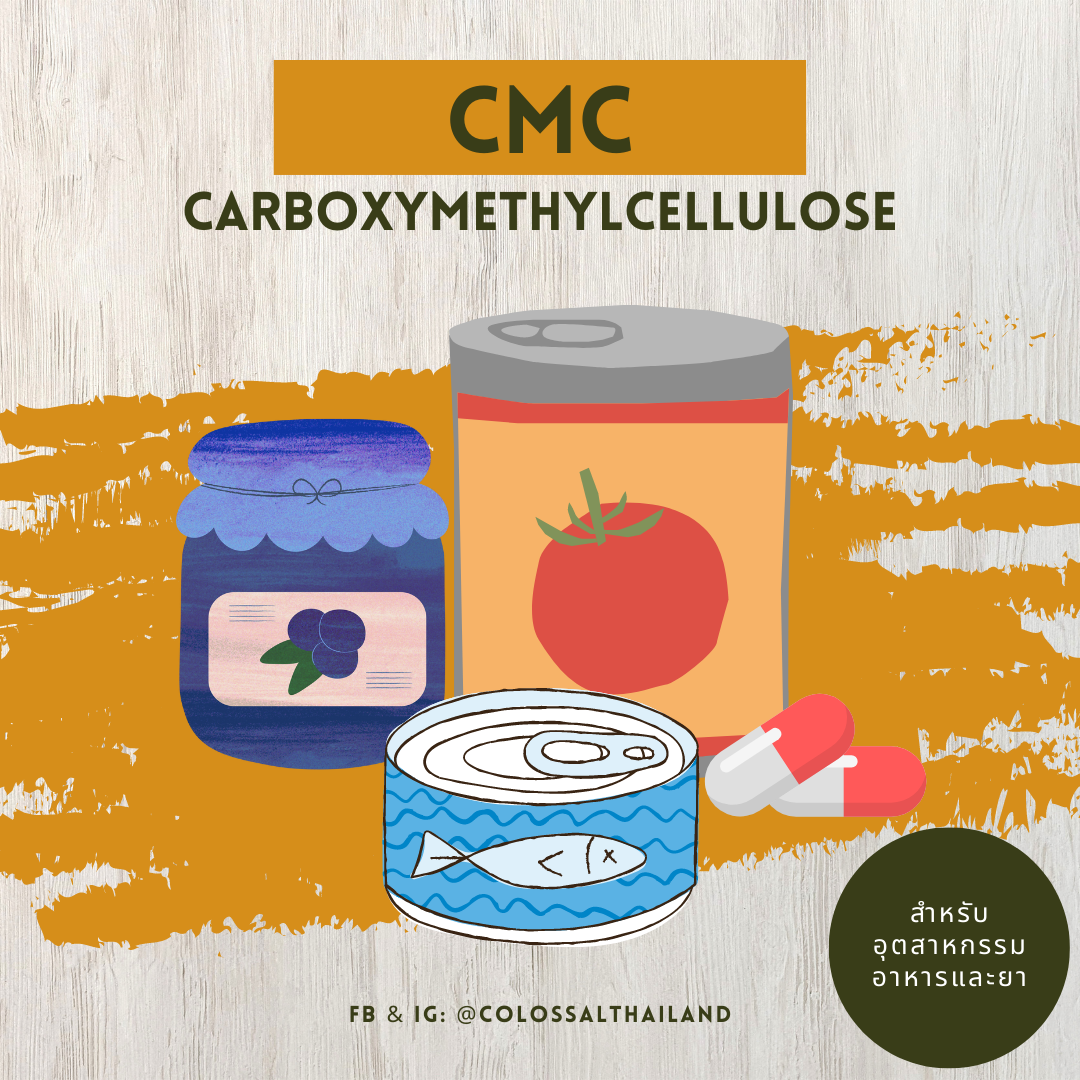
Carboxymethylcellulose (CMC) หรือ คาร์บอกซี่เมทิลเซลลูโลส เป็นโพลิเมอร์ที่ละลายน้ำได้และมีน้ำหนักโมเลกุลสูงเป็นที่นิยมใช้งานอย่างแพร่หลายในอุตสาหกรรมอาหารและยา รวมถึงอุตสาหกรรมอื่นๆอีกมากมาย CMC ถูกสกัดมาด้วยกระบวนการทางเคมีจากเซลลูโลสซึ่งเป็นส่วนประกอบหลักของผนังเซลล์พืช
หนึ่งในการใช้งาน CMC ที่แพร่หลายที่สุดคือเป็นสารเพิ่มเนื้อในอาหาร ทำให้เนื้อสัมผัสข้นขึ้น เช่น ไอศกรีม โยเกิร์ตและน้ำสลัด โดย CMC จะช่วยให้เนื้อเนียนขึ้น นอกจากนี้ CMC ยังใช้เป็นสารที่ช่วยให้เครื่องปรุงรสมีมวลสารเข้มข้นขึ้น เป็นส่วนหนึ่งของสารเติมแต่งอาหาร และตัวช่วยในการยึดเกาะของมวลเนื้อสัตว์ในอาหารแปรรูปอีกด้วย
CMC ยังเป็นที่นิยมใช้ในอุตสาหกรรมยา ซึ่งเป็นตัวช่วยในการผลิตยา โดยเฉพาะการผลิตยาที่ต้องการความหนาแน่นสูงต้องการการยึดเกาะของตัวยา รวมถึงทำให้ยาประเภทน้ำมีเนื้อที่ข้นหนืดขึ้น นอกจากนี้ CMC ยังใช้เป็นสารหล่อลื่นในยาหยอดตาและทำหน้าที่เป็นชั้นเคลือบสำหรับแคปซูลยาได้อีกด้วย
Carboxymethylcellulose (CMC) is a water-soluble, high molecular weight polymer that is commonly used in the food, pharmaceutical, and industrial industries. It is derived from cellulose, which is the main component of plant cell walls, through a chemical modification process.
One of the most common uses of CMC is as a thickening agent in food products such as ice cream, yogurt, and salad dressings. It provides a smooth, creamy texture and prevents separation of ingredients. In addition to thickening, CMC is also used as a stabilizer, emulsifier, and binding agent in many processed foods.
CMC is also used in the pharmaceutical industry as an excipient, which is a substance added to a medication to improve its physical properties. It is often used as a binder to hold tablets together and as a thickener for liquid medications. CMC is also used as a lubricant in eye drops and as a protective coating for capsules.
#CMC #Carboxymethylcellulose #Food #คาร์บอกซีเมทิลเซลลูโลส #Pharmaceutical #ColossalInternational #colossal_thailand #วัตถุดิบคุณภาพ


Cellulose Acetate Butyrate (CAB)


Cellulose Acetate Butyrate (CAB)

Paints & Graphic Arts, Plastics, Rubber

Cellulose Acetate Butyrate (CAB) เป็นพอลิเมอร์เทอร์โมพลาสติกชนิดหนึ่งที่เป็นอนุพันธ์ของเซลลูโลสซึ่งเป็นวัตถุดิบธรรมชาติที่พบในผนังเซลล์ของพืช CAB เป็นเซลลูโลสเอสเตอร์ซึ่งเกิดจากการปรับโครงสร้างเซลลูโลสด้วยกรดอะซีติกและกรดกรดบิวทิริก คุณสมบัติที่เป็นเอกลักษณ์ของ CAB เช่น ความโปร่งใส ความทนทานต่อแรงกระแทก และการป้องกันการเปลี่ยนเป็นสีเหลืองของพื้นผิววัสดุ

CAB ใช้งานอย่างแพร่หลายในการเคลือบและสร้างฟิล์มเนื่องจากความโปร่งใสและคุณสมบัติให้ความเงาสูง นอกจากนี้ยังใช้ในอุตสาหกรรมที่ต้องการความแข็งแรง ความยืดหยุ่น และความทนทาน เช่น ชิ้นส่วนในยานยนต์ สินค้าบริโภค และวัสดุบรรจุภัณฑ์ต่างๆ CAB มีคุณสมบัติการยึดเกาะที่ดี ทำให้เหมาะสำหรับใช้เป็นสารเคลือบบนพื้นผิวต่าง ๆ เช่น เหล็ก พลาสติก และแก้ว

เนื่องจากมีความยืดหยุ่นสูง สามารถขึ้นรูปได้ดี CAB จึงเป็นที่นิยมนำไปใช้ในอุตสาหกรรมพลาสติก ไม่ว่าจะด้วยวิธีการฉีดขึ้นรูป หรือการเป่าขึ้นรูป นอกจากนี้ยังมีความสามารถในการละลายในสารละลายต่างๆหลายชนิด ทำให้ผู้ผลิตสามารถใช้งานได้หลากหลายตามสูตรหรือคุณสมบัติที่ต้องการในผลิตภัณฑ์ต่างๆได้อย่างง่ายดาย

นอกจากคุณสมบัติทางกายภาพทั่วๆไปแล้ว CAB ยังมีความสามารถต้านทานทางเคมีที่ดี ซึ่งทำให้เหมาะสำหรับใช้ในสภาวะแวดล้อมที่เป็นกรดหรือเป็นด่างสูง หรือสภาวะที่ต้องระมัดระวังต่อแสงและรังสี UV เนื่องจากมีคุณสมบัติทนทานต่อความร้อนสูง

Cellulose Acetate Butyrate (CAB) is a thermoplastic polymer that is a derivative of cellulose, a natural polymer found in plant cell walls. It is a type of cellulose ester, which is formed by modifying cellulose with acetic acid and butyric acid. It is commonly used in various applications due to its unique properties, such as its excellent clarity, good impact resistance, and high resistance to yellowing.

CAB is often used in coatings and films due to its transparency and high gloss. It is also used in applications where toughness, flexibility, and durability are required, such as in automotive parts, consumer goods, and packaging materials. It is known for its good adhesion properties, making it suitable for use as a coating on a wide range of substrates, including metal, plastic, and glass.

One of the main advantages of CAB is its ability to be easily molded and shaped using conventional plastic processing techniques, such as injection molding, extrusion, and blow molding. CAB can also be dissolved in a wide range of solvents, allowing for easy formulation of coatings and films with desired properties.

In addition to its physical properties, CAB is also known for its chemical resistance, which makes it suitable for use in harsh environments where exposure to chemicals or UV radiation is a concern. CAB is also relatively stable at elevated temperatures, making it suitable for high-temperature applications.


#CelluloseAcetateButyrate #CAB #Plastic #ColossalInternational #chemistry #EASTMAN


Chlorine Dioxide (คลอรีนไดออกไซด์)

Category : Pharmaceuticals


Chlorine Dioxide (คลอรีนไดออกไซด์)

Pharmaceuticals

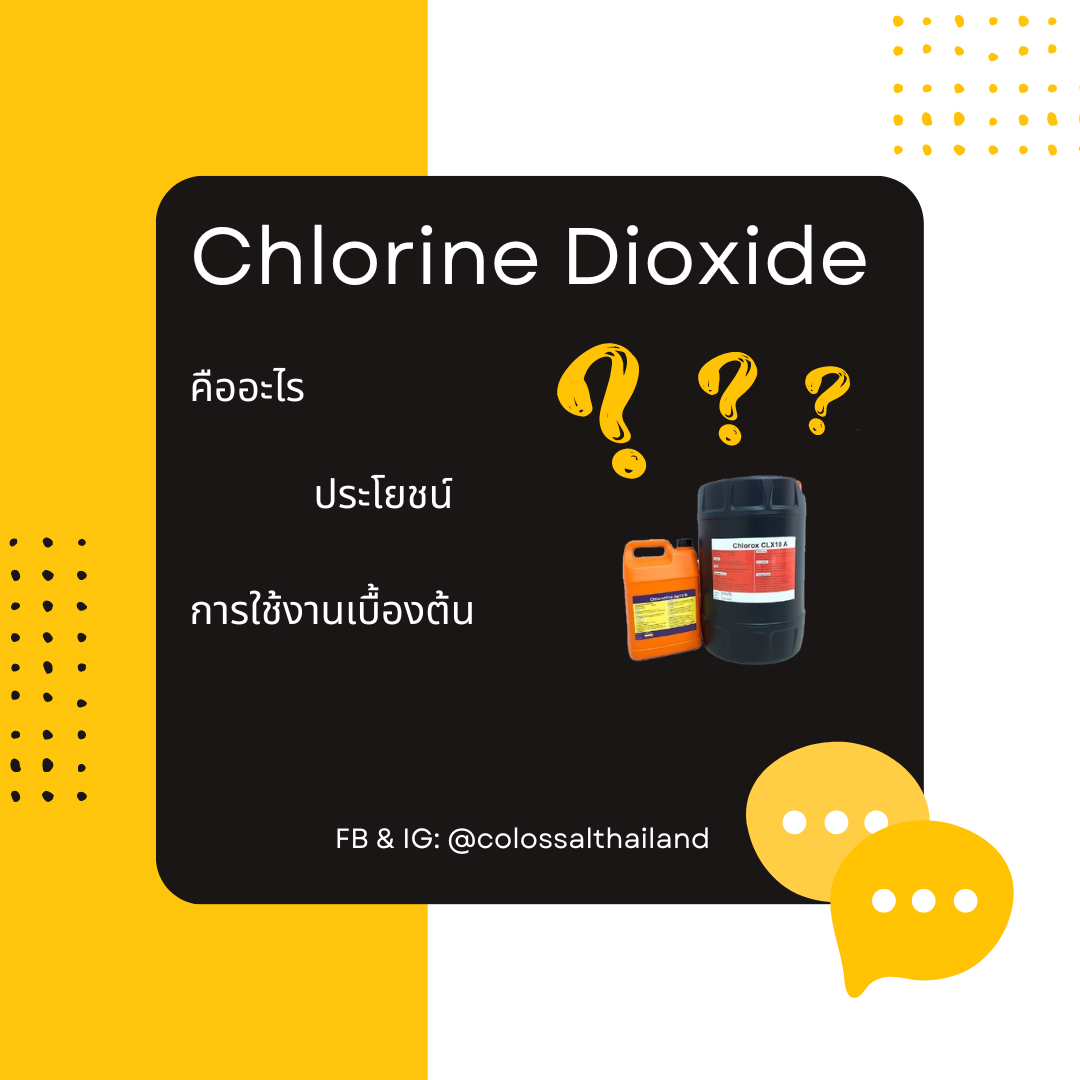
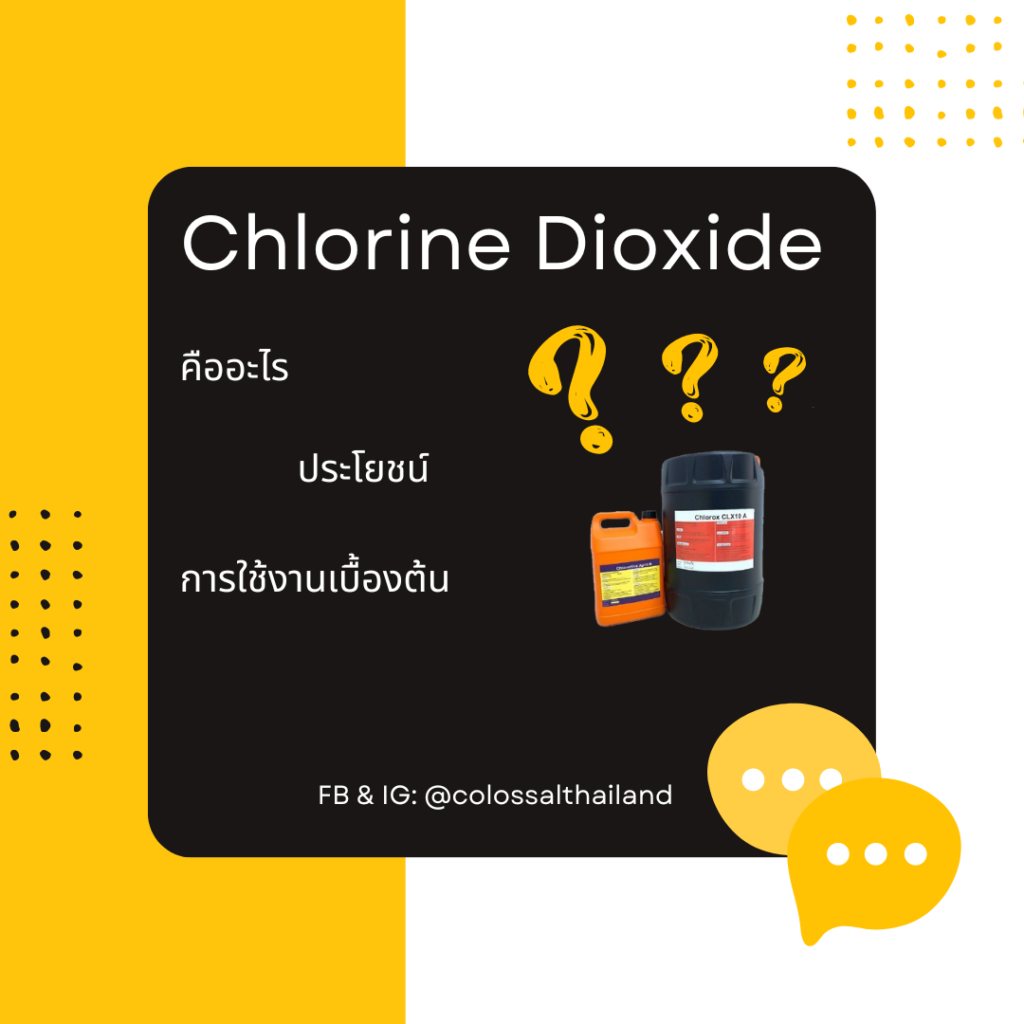
คลอรีนไดออกไซด์ เป็นสารช่วยทำความสะอาดและตัวออกซิไดซ์ที่มีการใช้งานอย่างแพร่หลายในหลายๆ อุตสาหกรรม คลอรีนไดออกไซด์เป็นสารที่มีประสิทธิภาพมาก ทำให้เป็นที่นิยมสำหรับการตรวจสอบคุณภาพน้ำ อาหารบางชนิด และผลิตภัณฑ์ดูแลสุขภาพ
 
หนึ่งในการใช้งานหลักของคลอรีนไดออกไซด์คือในการตรวจสอบคุณภาพของน้ำ ซึ่งคลอรีนไดออกไซด์มีประสิทธิภาพสูงในการฆ่าเชื้อแบคทีเรีย ไวรัส และจุลินทรีย์อื่นๆที่ปนเปื้อนในแหล่งน้ำได้ คลอรีนไดออกไซด์ยังมีประสิทธิภาพในการกำจัดกลิ่นและรสของน้ำ ดังนั้นในหลายประเทศจึงใช้ในการบำบัดน้ำประปา สระว่ายน้ำ และถังเก็บน้ำ
 
นอกจากการตรวจสอบคุณภาพน้ำ คลอรีนไดออกไซด์ยังใช้งานอย่างแพร่หลายในอุตสาหกรรมเกี่ยวกับสุขภาพ เช่น ใช้ควบคุมการแพร่ระบาดของเชื้อโรคต่างๆ โดยคลอรีนไดออกไซด์ยังมีประสิทธิภาพในการฆ่าเชื่อรา อีกทั้งยังจัดเป็นหนึ่งในตัวเลือกที่อันดับต้นๆสำหรับ HVAC systems (Heating Ventilation and Air Conditioning) หรือ ระบบไหลเวียนอากาศที่ซึ่งจะเป็นแหล่งเจริญเติบโตของเชื้อราต่างๆได้
 
การใช้งานคลอรีนไดออกไซด์ จะต้องอยู่ภายใต้การกำกับดูแลอย่างใกล้ชิด โดยเฉพาะอย่างยิ่งการใช้งานคลอรีนไดออกไซด์ที่มีความเข้มข้นสูงอาจจะเป็นอันตรายต่อผู้ใช้งานได้ ดังนั้นการใช้คลอรีนไดออกไซด์ที่ความเข้มข้นที่เหมาะสม ไม่เกินขีดจำกัดที่กำหนดจึงจะส่งผลให้ได้ประสิทธิภาพของคลอรีนไดออกไซด์สูงที่สุด และอยู่ในขอบเขตที่ปลอดภัยต่อวัสดุและผู้ใช้งานอีกด้วย
 
Chlorine Dioxide is a powerful disinfectant and oxidizing agent that has gained widespread use in various industries. Its versatility and effectiveness have made it a popular choice for a variety of applications, including water treatment, food processing, and healthcare.
 
One of the primary uses of Chlorine Dioxide is in water treatment. It is highly effective at killing bacteria, viruses, and other pathogens that can contaminate water sources. Chlorine Dioxide is also effective at removing organic matter and controlling odor and taste in water. As a result, it is commonly used in municipal water treatment plants, swimming pools, and water storage tanks.
 
Another important use of Chlorine Dioxide is in healthcare. It is commonly used as a disinfectant in hospitals and other healthcare facilities to control the spread of infectious diseases. Chlorine Dioxide is also effective at killing mold and mildew, making it a popular choice for use in HVAC systems and other areas where mold growth can be a problem.
 
Despite its many benefits, the use of Chlorine Dioxide must be carefully controlled to ensure safety. Chlorine Dioxide can be hazardous in concentrated form, and proper safety protocols must be followed to ensure that workers and the public are not exposed to excessive levels of the chemical. However, when used properly, Chlorine Dioxide is a highly effective tool for disinfection and oxidation, making it an essential part of many industries.
#ChlorineDioxide #คลอรีนไดออกไซด์ #ฆ่าเชื้อโรค #ColossalInternational #colossal_thailand #shopee #chemistry

Calcium Chloride เกรดอาหาร

Tags :


Calcium Chloride เกรดอาหาร

Food & Basic Chemical

Calcium Chloride เกรดอาหารนิยมใช้เป็นวัตถุเจือปนในอาหารและเครื่องดื่มได้หลากหลายประเภท

FDA สหรัฐอเมริกา ได้รับรองให้ Calcium Chloride มีความปลอดภัยสำหรับบริโภค หรือ Generally Recognized as Safe (GRAS) เมื่อผลิตจากโรงงานที่ได้รับมาตรฐาน GMP ทั้งนี้สำหรับอุตสาหกรรมอาหารและเครื่องดื่มมักใช้ Calcium Chloride เพื่อสร้างสัมผัสที่แน่นขึ้น เป็นสารที่ช่วยเคลือบผักผลไม้ และช่วยยืดอายุในอาหารกระป๋องได้อีกด้วย ตัวอย่างของการใช้ Calcium Chloride เช่น

1) การผลิตชีส โดยใช้เพื่อเพิ่มคุณสมบัติการจับตัวเป็นก้อน และเสริมสัมผัสของเนื้อให้มีความแน่นมากขึ้น
2) ผักและผลไม้กระป๋อง โดยมีส่วนช่วยคงรูปของผักและผลไม้นั้นๆ และช่วยให้คุณภาพและเนื้อสัมผัสไม่เปลี่ยนแปลง
3) การดองอาหาร โดยมีส่วนช่วยเพิ่มความกรอบแน่นในผักและผลไม้ดอง
4) การผลิตไวน์ Calcium Chloride นำไปใช้ปรับความกระด้างของน้ำและปรับเอนไซม์ในกระบวนการหมัก
5) การผลิตเบเกอรี่ โดยมีส่วนทำให้แป้งโดแข็งตัวและเพิ่มเนื้อสัมผัสของเบเกอรี่

Calcium chloride food grade refers to a specific grade of calcium chloride that is deemed safe for use as a food additive. It is typically produced and processed in accordance with food safety regulations and guidelines, and it is used in various food and beverage applications.

As a food additive, calcium chloride is generally recognized as safe (GRAS) by the U.S. Food and Drug Administration (FDA) when used in accordance with Good Manufacturing Practices (GMP) and within approved limits. Calcium chloride is commonly used in food and beverage applications for its ability to improve the firmness and texture of fruits and vegetables, act as a calcium source, and extend the shelf life of canned foods.

Some common uses of food grade calcium chloride in the food industry include:

1) Cheese production: Calcium chloride is used in cheese making to promote coagulation and improve the texture and firmness of cheese.

2) Canned fruits and vegetables: Calcium chloride is used as a preservative in canned fruits and vegetables to help maintain their texture and quality during storage.

3) Pickling: Calcium chloride is used in pickling processes to improve the crispness and firmness of pickled fruits and vegetables.

4) Brewing and winemaking: Calcium chloride is sometimes used in brewing and winemaking to adjust water hardness and improve enzyme activity during fermentation.

5) Baking: Calcium chloride may be used in some baking applications to strengthen dough, improve crust quality, and enhance the texture of baked goods.

It’s important to note that the use of calcium chloride, or any food additive, must comply with local regulations and guidelines, and proper dosages and usage levels should be followed to ensure food safety. As with any food ingredient, individuals with specific dietary restrictions or health concerns should consult with a healthcare professional before consuming food products containing calcium chloride or other food additives.


Chlorinated Polyethylene (CPE)

Tags :

Category : Plastics


Chlorinated Polyethylene (CPE)

Plastics

Chlorinated Polyethylene หรือ CPE เป็นวัสดุชนิดหนึ่งที่ผลิตจากการเติมกลุ่มคลอรีนเข้าไปในโครงสร้างของ Polyethylene ซึ่งเป็นโพลิเมอร์เทอร์โมพลาสติกที่ผลิตจาก Ethylene Monomers ซึ่งกระบวนการเติมกลุ่มคลอรีนเข้าไปทำให้มีคุณสมบัติที่ดีขึ้นเมื่อเทียบกับ Polyethylene ปกติ เช่น ทำให้เสริมความคงทนต่อสารเคมีอื่นๆ และทนต่อสภาพอากาศ ซึ่งทำให้เพิ่มอายุการใช้งานของวัสดุนั้นๆมากยิ่งขึ้น อุตสาหกรรมที่มักจะใช้ CPE เป็นส่วนประกอบ เช่น อุตสาหกรรมผลิตยานยนต์ ก่อสร้าง สายไฟฟ้า เป็นต้น นอกจากนี้ CPE ยังใช้เป็นสารเติมเต็มในสูตรการผลิต PVC เพื่อเสริมสร้างความแข็งแรง คงทนได้อีกด้วย

คุณสมบัติที่โดดเด่นของ CPE

1) ความยืดหยุ่น: CPE เป็นวัสดุที่ยืดหยุ่น ทำให้เหมาะสำหรับการใช้งานในอุตสาหกรรมที่ต้องการความยืดหยุ่น เช่น ท่อที่เน้นความยืดหยุ่น ซีล และอื่น ๆ
2) ต้านทานแรงกระแทก: CPE มีความต้านทานต่อแรงกระแทกที่ดี ทำให้เหมาะสำหรับการใช้งานของวัสดุที่อาจเกิดแรงกระแทกหรือแรงดันสูง
3) ความทนทานต่อสภาพอากาศ: CPE มีความทนทานต่อสภาพอากาศ เช่น รังสี UV โอโซน และเงื่อนไขสภาพแวดล้อมที่รุนแรง ทำให้เหมาะสำหรับงานกลางแจ้งที่ต้องทนต่อสภาพอากาศต่างๆ
4) ความต้านทานต่อสารเคมี: CPE มีความต้านทานต่อสารเคมีที่ดี เช่น กรด ด่าง และสารละลายหลายชนิด
5) ทนต่อเปลวไฟ: เหมาะกับการใช้งานในงานที่เกี่ยวกับสายไฟฟ้าต่างๆ
6) ยึดเกาะได้ดี: CPE มีคุณสมบัติการยึดเกาะที่ดีทำให้ใช้งานร่วมกับวัสดุอื่นๆได้อย่างมีประสิทธิภาพ เช่น โพลิเมอร์ชนิดอื่นๆ หรือโลหะ เป็นต้น

Chlorinated polyethylene (CPE) is a type of polymer that is produced by chlorinating polyethylene, which is a thermoplastic polymer made from ethylene monomers. The chlorination process involves introducing chlorine atoms into the polymer structure, resulting in a material with improved properties compared to regular polyethylene.

CPE is known for its excellent resistance to chemicals, weathering, and aging, which makes it suitable for various applications in industries such as automotive, construction, wire and cable, and consumer goods. Some of the key properties of chlorinated polyethylene include:

1) Flexibility: CPE is a flexible material, which allows it to be used in a wide range of applications that require flexibility, such as hoses, gaskets, and seals.


2) Impact resistance: CPE has good impact resistance, making it suitable for applications where the material may experience impacts or high-stress conditions.


3) Weatherability: CPE is resistant to weathering, including UV radiation, ozone, and harsh environmental conditions, making it suitable for outdoor applications.


4) Chemical resistance: CPE exhibits excellent resistance to chemicals, including acids, alkalis, and many solvents, making it suitable for applications where it may come into contact with various chemicals.


5) Flame resistance: CPE has inherent flame-resistant properties, which makes it suitable for applications where flame resistance is required, such as wire and cable insulation.


6) Adhesion: CPE has good adhesion properties, which allows it to be easily bonded to other materials, such as metals or other polymers, using adhesives or other bonding methods.

CPE is commonly used in a wide range of applications, including automotive parts, wire and cable insulation, roofing membranes, pond liners, footwear, and various consumer goods. It is also used as an impact modifier in PVC (polyvinyl chloride) formulations to improve the impact strength and weatherability of PVC products.

#ColossalInternational #colossal_thailand #chemistry #Colossal #CPE #PolyEthylene